Kegel Exercises, Pelvic Trainers, and At-Home Devices: What Actually Works for Bladder Leaks in 2026?

If you’re dealing with bladder leaks, you’ve likely been told to “do Kegels” or try a pelvic floor trainer. Some people see improvement with these approaches — many don’t. That doesn’t mean you failed or didn’t try hard enough.

The truth is that pelvic floor treatments work very differently depending on how the muscles are activated, how much effort is required, and whether the approach is realistic to maintain in everyday life. This page explains the differences so you can better understand what may — or may not — work for you.

Best Kegel Devices at a Glance

  • Best overall: Elitone (external, easy, hands-free)
  • Best for beginners: Elitone (no insertion required)
  • Best for targeted internal training: Yarlap
  • Best for biofeedback tracking: App-connected Perifit
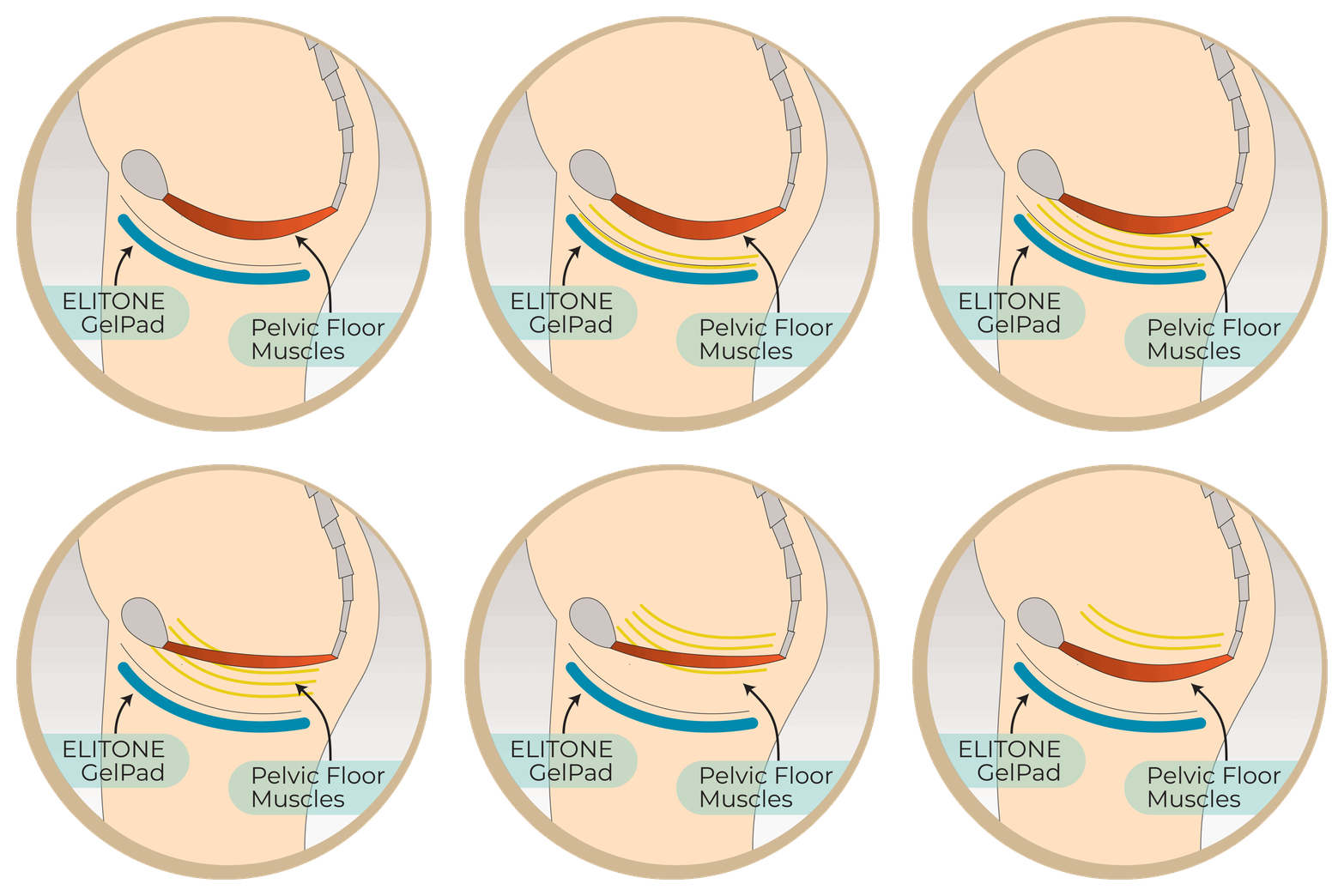
Elitone comparison to other incontinence treatments

Table of contents

What Is a Kegel Exerciser (and Why the Term Is Confusing)

The Real-World Challenge – Activation, Effort, and Consistency

Internal vs External Devices

What Kegel exercise device is best for me?

Surgery: A Last Resort

What Are Other stress urinary incontinence treatments? Mixed and Urge Incontinence?

What Kegel Exercises Are and Where They Fall Short

Kegel exercises involve voluntarily contracting and relaxing the pelvic floor muscles to improve strength and control, keeping your pelvic floor healthy. When done correctly and consistently, they can improve urinary and fecal incontinence, joint pain, backaches, and childbirth recovery. They may even increase sexual pleasure with more intense orgasms by strengthening the vaginal walls. Unfortunately, research shows that 1 in 4 women do Kegel exercises incorrectly.

Why Kegels don’t work for everyone

Many people struggle with Kegels for a variety of reasons:

  • It can be difficult to identify and isolate the correct muscles
  • Very weak or deconditioned muscles may not contract strongly enough to improve
  • Fatigue sets in quickly, especially early on
  • People often compensate using abdominal or glute muscles without realizing it
  • Results depend heavily on long-term consistency

For individuals with significant muscle weakness or difficulty activating the pelvic floor, exercise alone may not be enough. Additionally, it does take dedicated time and the motivation to do so.

Do Kegel Devices Really Work?

Kegel devices can be effective, but results depend on consistency and proper muscle activation. When comparing options, look for:

  • Devices that automate muscle activation or provide feedback, which can lead to more consistent results than doing Kegel exercises on your own
  • Devices with FDA clearance for treating incontinence, indicating they meet a higher standard for safety and effectiveness
  • Clear labeling of intended use, as some devices are cleared as general wellness tools (such as vibrators or pressure sensors), rather than for improving bladder control

What Is a Kegel Exerciser (and Why the Term Is Confusing)

“Kegel exerciser” is often used to describe any device related to pelvic floor health, but it can mean very different things depending on the context.

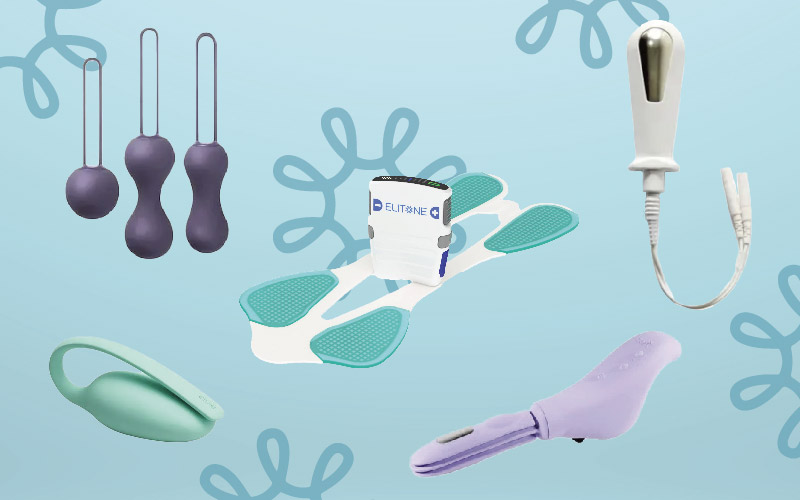
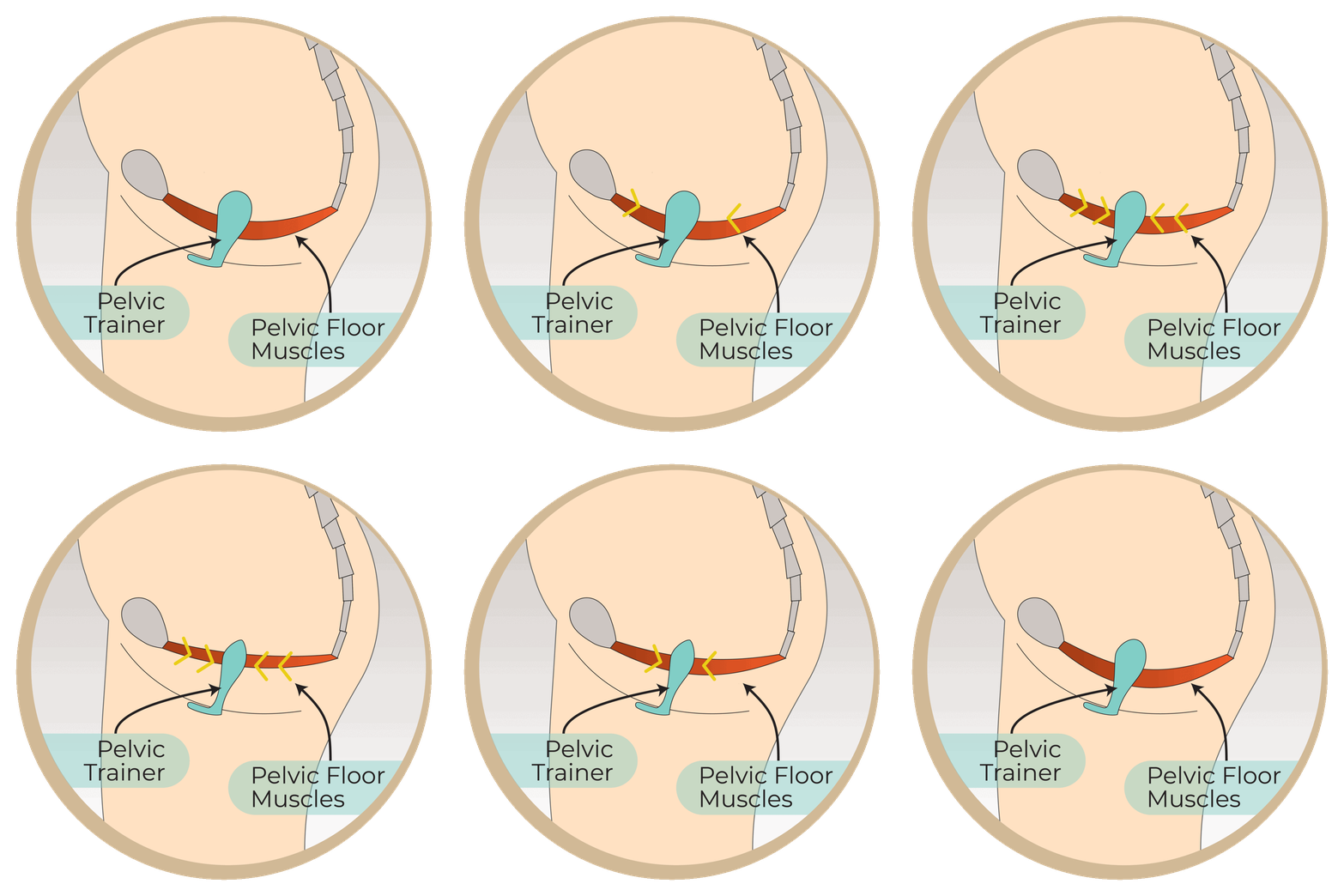
Medically and functionally, a Kegel exerciser is a tool designed to assist with performing Kegel exercises. These devices rely on voluntary pelvic floor muscle contractions and do not activate muscles on their own. Common examples include vaginal weights or cones, resistance-based devices, and sensor-based tools that detect contractions.

At the same time, many people use the phrase “Kegel exerciser” more loosely to mean any device that helps with pelvic floor problems — including devices that work more automatically. Devices that use neuromuscular stimulation activate the pelvic floor muscles automatically, producing Kegel-like contractions, even though the user does not have to consciously contract or “do” Kegels.

Understanding this distinction is important when comparing pelvic floor options, because treatments that rely on voluntary exercise work very differently from treatments that activate muscles for you.

How Pelvic Floor Trainers Differ from Basic Kegel Exercisers

Pelvic floor trainers are a more specific type of Kegel exerciser. Instead of adding resistance, they use sensors to detect pelvic floor contractions and provide feedback, often through a mobile app or visual interface.

Pelvic floor trainers can help users:

  • Learn whether a contraction is occurring
  • Improve technique
  • Stay motivated through guided programs or games

However, pelvic floor trainers do not stimulate the muscles. Like all Kegel exercisers, they still rely entirely on the user’s ability to voluntarily contract the pelvic floor muscles.
The Real-World Challenge – Activation, Effort, and Consistency

What if you can’t activate your pelvic floor muscles well?

A common but under-recognized issue is difficulty activating the pelvic floor muscles, especially when they are very weak or deconditioned. Many people believe they are contracting correctly when they are not, or they fatigue too quickly to generate a meaningful training effect. In these situations, being told to “do more Kegels” often leads to frustration rather than progress.

Consistency in real life (not ideal life)

Exercise-based approaches require:

  • Focused attention
  • Correct technique every session
  • Frequent practice over time

In real life, many people struggle to maintain this level of effort consistently. When a treatment is difficult to stick with, results often plateau — even if the approach works well in theory.

Internal vs External Devices

Pelvic floor devices can be internal or external, and this distinction matters for many people — not just for comfort, but for whether a device is ever used consistently.

Some internal devices use sensors to detect pelvic floor contractions. These devices rely on voluntary muscle effort and provide feedback, but they do not activate the muscles themselves.

Other devices use neuromuscular stimulation, which activates pelvic floor muscles automatically using electrical signals. These contractions are similar to Kegel exercises, but they do not require the user to consciously squeeze or focus during treatment.

For many individuals, the choice between internal and external devices affects:

  • comfort and fit
  • ease of use
  • hygiene considerations
  • willingness to start treatment
  • ability to use the device consistently

Because of this, both how a device activates muscles and how it fits into real life play an important role in whether a pelvic floor treatment is effective. Elitone is an example of an automated pelvic floor neuromuscular stimulation device. It is often described as an alternative to Kegel exercisers, rather than a trainer, because it does not rely on voluntary squeezing.

Kegel exercisers are often vaginal
ELITONE is an external Kegel Exerciser to stimulates pelvic floor muscles to reduce urinary leaks
Elitone is your easy to use at home solution for incontinence.

What Kegel exercise device is best for me?

We’ve rolled up our sleeves and conducted consumer research (yes, we’ve tried the devices). Because there are so many types of Kegel exercisers, it’s sometimes confusing to know which one is best for you. We’ve evaluated the cost, pros and cons, and how each device works, plus reviews for each type of exerciser.

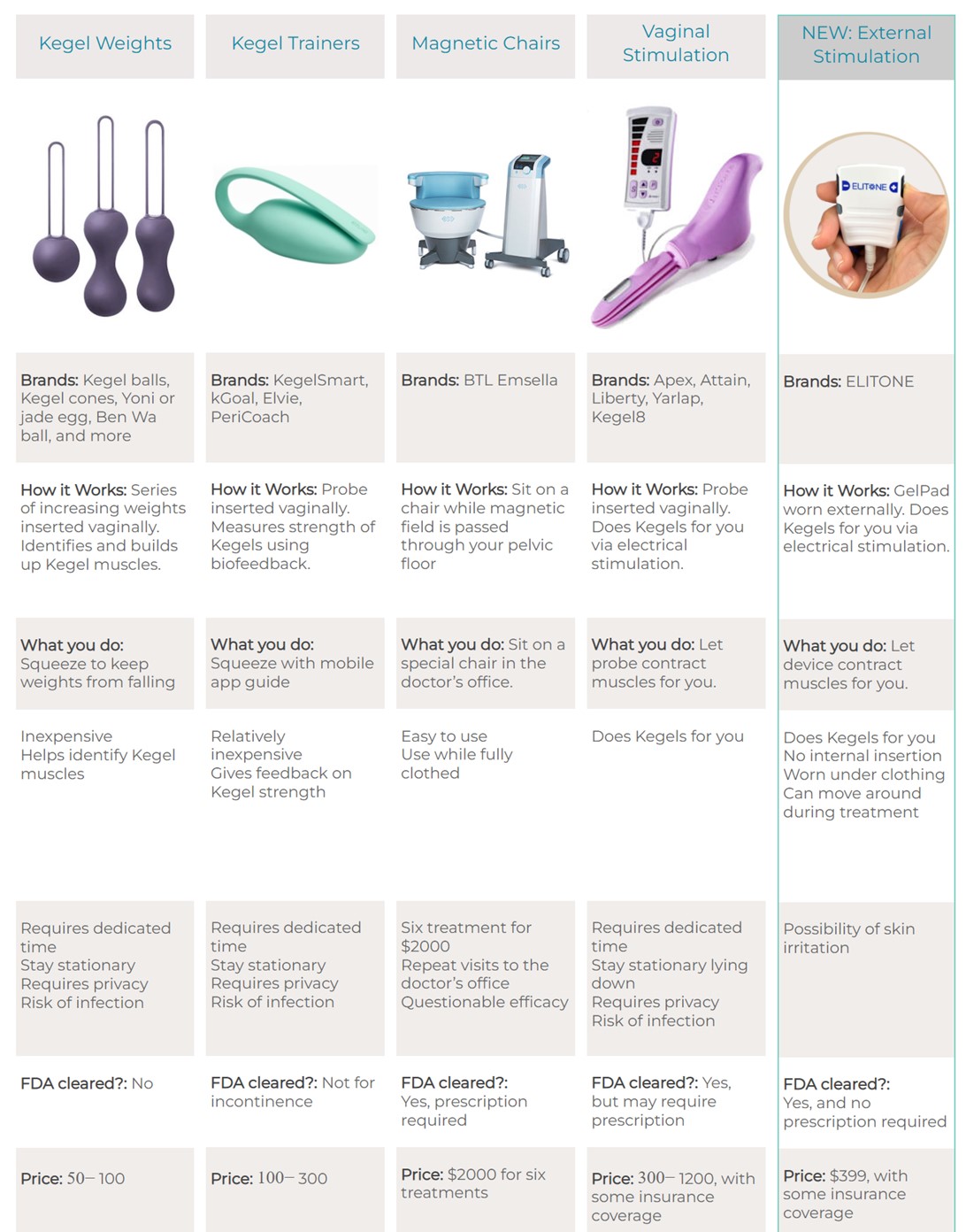
TypeKegel WeightsKegel TrainersMagnetic ChairsVaginal StimExternal Stim
External deviceNoNoYesNoYes
Hands-free useYesNoYesNoYes
Device activates musclesNoNoYesYesYes
Mobile during useMaybeNoNoNoYes
FDA-cleared (incontinence)NoNoYesYesYes
Insurance-coveredNoNoNoNoYes – most
Price$50-100$100-300$2000 for 6 sessions$300-1200$429

CLICK EACH IMAGE BELOW TO LEARN MORE, OR CLICK HERE FOR A SIDE-BY-SIDE VIEW.

Brands: Kegel balls, Kegel cones, Yoni or jade egg, Ben Wa ball, and more

How it Works: Series of increasing weights inserted vaginally. Identifies and builds up Kegel muscles.

What you do: Squeeze to keep weights from falling

Pros: Inexpensive, Helps identify Kegel muscles

Cons: Requires dedicated time, Stay stationary, Requires privacy, Risk of infection

FDA cleared?: No

Price: $50-$100

Review: “Easy to use to isolate pelvic floor muscles. Once you identify your muscles, it’s easier to do Kegels anywhere on your own.”

Brands: KegelSmart, kGoal, Elvie, PeriCoach

How it Works: Probe inserted vaginally. Measures strength of Kegels using biofeedback.

What you do: Squeeze with mobile app guide

Pros: Relatively inexpensive, Gives feedback on Kegel strength

Cons: Requires dedicated time, Stay stationary, Requires privacy, Risk of infection

FDA cleared?: Not for incontinence

Price: $100-$300

Review: “Fit can be uncomfortable. The games are fun at first. Once you identify pelvic floor muscles, it’s easier to do Kegels on your own.”

Brands: BTL Emsella

How it Works: Sit on a chair while magnetic field is passed through your pelvic floor

What you do: Sit on a special chair in the doctor’s office.

Pros: Easy to use, Use while fully clothed

Cons: Six treatment for $2000, Repeat visits to the doctor’s office, Questionable efficacy

FDA cleared?: Yes, prescription required

Price: $2000 for six treatments

User Review:  “Nothing is inserted vaginally and clothes can be left on during treatment. Quite expensive for 6 visits and no guarantee that it will work.”

Brands: Apex, Attain, Liberty, Yarlap, Kegel8, Leva

How it Works: Probe inserted vaginally. Does Kegels for you via electrical stimulation.

What you do: Let probe contract muscles for you.

Pros: Does Kegels for you

Cons: Requires dedicated time, Stay stationary lying down, Requires privacy, Risk of infection

FDA cleared?: Yes, but may require prescription

Price: $300-$1200, with some insurance coverage

User Review: “Clinically proven to work, and some are quite strong. Contracts the correct muscles for you, but the vaginal activation leaves you feeling somewhat “violated.” It’s hard to commit to consistent private sessions.”

Brands: ELITONE

How it Works: GelPad worn externally. Does Kegels for you via electrical stimulation.

What you do: Let device contract muscles for you.

Pros: Does Kegels for you, No internal insertion, Worn under clothing, Can move around during treatment

Cons: Possibility of skin irritation

FDA cleared?: Yes, and no prescription required

Price: $399, with some insurance coverage

LEARN MORE

Kegel weights compared to Elitone

Kegel Weights

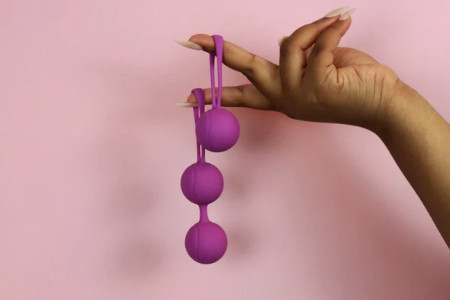
[Kegel balls, kegel cones, yoni or jade egg, Ben Wa Ball, and more] Squeeze to keep a series of increasing weights from falling out of the vagina to identify and build up muscles. These balls, cones, or egg-shapes are as simple as they come, dating back thousands of years. Kegel weights are inexpensive and easy to understand. However, they do require privacy and dedicated time. Anything vaginally inserted will have a higher risk of infection. Review: Easy to use to isolate pelvic floor muscles. Inexpensive. Once you identify your muscles, it’s easier to do Kegels anywhere on your own. Risk of infection.


Kegel TrainersKegel trainer for urinary leaks

[KegelSmart, kGoal, Perifit, Elvie] Biofeedback measures the strength of Kegel contractions as you squeeze around the device. Most of these vaginally inserted probes are connected to mobile apps so you can see your progress, and some offer fun games to play as you squeeze. Kegel trainers still have a risk of infection and require dedicated time and privacy during use. Most are not FDA-approved for incontinence. Review: Relatively inexpensive. Give feedback on strength. Fit can be uncomfortable. The games are fun at first, but it’s hard to find the time to keep using them. Risk of infection.


Magnetic HIFEM ChairsMagnetic chair that exercises pelvic floor muscles

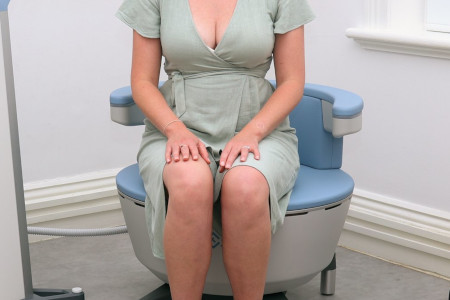
[BTL Emsella] The patient sits on a specialized chair while a high-intensity electromagnetic field is focused on the pelvic floor, causing the muscles to contract. This external therapy is typically administered in a doctor’s office over six sessions. A meta-data review by the Department of Health (AHRQ) shows this therapy to be less effective than electrical stimulation. Review: Quite easy to show up and sit fully clothed. As a kegel exerciser, it is quite expensive for 6 visits, and maintenance costs require repurchase.


Vaginal StimulationApexm device for Kegel exercises

[Yarlap, Kegel8] Electrical stimulation (e-stim) contracts the pelvic floor muscles, doing your Kegels for you. Don’t let the term “electrical stimulation” scare you. Electrical currents are how your brain talks to your muscles and tell them to move, and these devices have been around for 40 years. Originally only found in doctors‘ and physical therapy offices, vaginal kegel exercisers are now approved for home use, but require dedicated time on your back and privacy, plus there’s a risk of infection. Clinically proven to work, and some are quite strong. Contracts the correct muscles for you, but the vaginal activation leaves you feeling somewhat “violated” which makes it hard to want to make time for sessions. 


External StimulationElitone controller being held with sky blue gradient background

[Elitone] Electrical stimulation (e-stim) contracts the pelvic floor muscles through skin, doing the Kegel for you. The FDA created a new category to treat incontinence, so these external Kegel exercisers are new on the market. Although similar to the vaginal e-stim, these devices are applied externally, allowing for comfort and safety. Elitone disposable GelPads are worn like a thin sanitary pad, so you can get dressed and do other things during sessions. There is another wearable that uses similar technology and better than vaginal devices, but requires sizing, being stationary, and is not discrete. Review for Elitone: Easy to use, contracts the correct muscles for you and discreet while going about normal daily tasks. Easy is the key so that you will continue with the treatments. 

Surgery: A Last Resort

Because there are no medications for stress urinary incontinence, patients might think surgery is the only option. But the FDA recently warned about problems with surgical mesh implants. Surgery should be a last resort!

The more you know about pelvic floor health, the better equipped you’ll be to choose the treatment that’s right for you. Whatever you choose, it’s important to get treated. Waiting will cost you more and may not be effective as your incontinence progresses. If you still need help after you’ve tried Kegel exercises on your own, check out Elitone—the first external treatment available without a prescription. PLUS it’s worn under your clothes so you can get on with your life! It doesn’t get any easier to treat!

What Are Other stress urinary incontinence treatments? Mixed and Urge Incontinence?

There are other options besides Kegel exercisers that may stop bladder leaks, but most require office visits. These other treatments fall into two categories:

  • Methods of physically blocking the urethra passageway to reduce leaks, such as filler injections around the urethra, pessaries, or even creating scar tissue via lasers.
  • Pelvic floor physical therapists who manually help identify pelvic floor muscles and work with you to strengthen them.

Stress, Urge, and Mixed Incontinence — Why It Matters

Not all bladder leaks are the same.

  • Stress urinary incontinence involves leaks with movement, coughing, or exercise
  • Urge urinary incontinence / overactive bladder (OAB) involves sudden urgency and leakage
  • Mixed urinary incontinence includes both

Different symptoms may require different therapeutic signals — strengthening in some cases and calming in others. Understanding the type of leakage you experience can help guide treatment choices. Almost all pelvic floor exercisers or trainers only work on stress incontinence. Only Elitone sends both signals for mixed incontinence, and has Elitone URGE for OAB.

Frequently Asked Questions

Do Kegel exercisers treat bladder leaks?
Kegel exercisers assist with pelvic floor exercises, but they rely on voluntary muscle contraction. They may help some people, but they do not activate muscles automatically and may not work for everyone.

What if Kegels or pelvic floor trainers didn’t work for me?
Difficulty activating weak pelvic floor muscles is common. In these cases, approaches that provide neuromuscular stimulation may help activate muscles when voluntary contraction is difficult.

Do I need to actively exercise every day for results?
Exercise-based approaches require active participation during each session. Some treatments are designed to work more passively, which can improve consistency for some people.

Are internal devices the same as stimulation devices?
No. Some internal devices only measure muscle activity. Muscle stimulation is a different approach that actively triggers contractions using electrical signals.

Is there a non-drug option for urgency or overactive bladder?
Yes. In addition to behavioral therapy and medication, there are non-drug treatment options designed to address urgency-related symptoms, such as external Elitone URGE for OAB. There are ankle (tibial) nerve stimulation devices (both implants and non-implants)

What if I have both stress leaks and urgency?
This is called mixed urinary incontinence. Some treatment approaches are designed to address both components, depending on how therapy is delivered. Elitone sends both signals for mixed incontinence.

“I did Kegels 3x a week for 5 years —Not much progress. This device worked so well for me. It’s amazing that those leaks are gone. In fact, I just sent my MD an email asking him to review the device. All of the reviews I’ve read on your website are true….. ALL OF THEM. Thanks for such a life changing product.” — Connie, CA 63y

Related Articles