Traveling With Incontinence: Tips for Easier Trips

Bladder leaks can make travel feel more complicated, especially when bathrooms are unfamiliar or difficult to reach. A little preparation can make flights, road trips, sightseeing, and long days away from home much easier — without restricting fluids or planning the entire trip around your bladder.

Updated August 24, 2026
Reviewed By: Dr. A. Goher

traveling with incontinence

Table of Contents

Why Can Incontinence Feel Harder When Traveling?

Travel changes many of the routines that normally make bladder symptoms easier to manage.

You may spend hours in a car or airplane, drink more coffee or alcohol than usual, eat unfamiliar foods, become constipated, or find yourself somewhere without an obvious bathroom nearby.

The result can be more worry even if your underlying incontinence has not actually become worse.

Common concerns include:

  • Not reaching a restroom quickly enough
  • Leaking during a long flight or drive
  • Having an accident while sightseeing
  • Finding supplies in an unfamiliar place
  • Managing wet clothing discreetly
  • Worrying about odor or visible leakage
  • Restricting fluids because bathrooms are uncertain

Some preparation is useful. But travel should not require organizing every activity around the nearest bathroom.

Practical Tips for Traveling With Incontinence

A little preparation can make travel much easier without turning the entire trip into a bathroom-planning exercise.

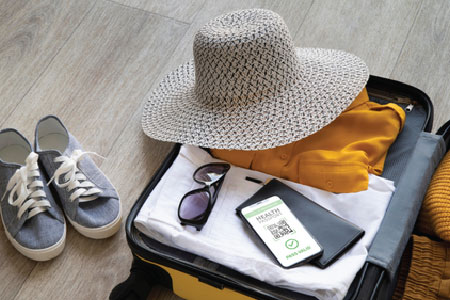
  • Pack a small backup kit: Bring your usual pads or protective underwear, a few extras, spare underwear, gentle wipes, disposable bags, and a lightweight change of clothing.
  • Keep supplies in your carry-on: If you are flying, do not put all of your incontinence supplies in checked luggage.
  • Choose an aisle seat when helpful: Easier bathroom access can reduce anxiety on longer flights.
  • Use a toilet-finder app or website: Tools such as Flush Toilet Finder can help locate public restrooms when you are somewhere unfamiliar.
  • Plan reasonable bathroom stops: On road trips, identify rest areas, gas stations, restaurants, or other likely stops along your route. You do not need to stop at every bathroom “just in case.”
  • Wear easy-to-manage clothing: Choose comfortable layers and pants that are simple to remove quickly in a restroom.
  • Do not deliberately dehydrate yourself: Sip fluids normally throughout the day rather than avoiding water to prevent leaks.
  • Be mindful of known triggers: If caffeine, alcohol, carbonation, or certain foods reliably increase your urgency, a long travel day may not be the best time to overdo them.
  • Move when you can: Walking during rest stops or getting up periodically on a long flight can help with comfort and may also reduce travel-related constipation.
  • Change wet products promptly: Sitting in a wet pad for hours can irritate the skin, especially during long travel days.
  • Consider a discreet backup plan: An extra pair of underwear or lightweight pants can provide peace of mind even if you never need them.

The goal is to be prepared enough that you can stop thinking about your bladder and enjoy the trip.

Do Not Dehydrate Yourself to Avoid Leaks

One of the least helpful travel strategies is intentionally drinking very little so you will not have to urinate.

Less fluid can mean less urine temporarily, but dehydration can create other problems. Concentrated urine may irritate the bladder in some people, and inadequate fluid intake can contribute to constipation.

Instead:

  • Begin the day normally hydrated
  • Sip fluids throughout the day
  • Avoid drinking an unusually large amount all at once
  • Adjust intake around long periods without bathroom access without eliminating fluids entirely

Your individual fluid needs vary with climate, activity, medications, and medical conditions. If a healthcare professional has instructed you to restrict fluids, follow that advice.

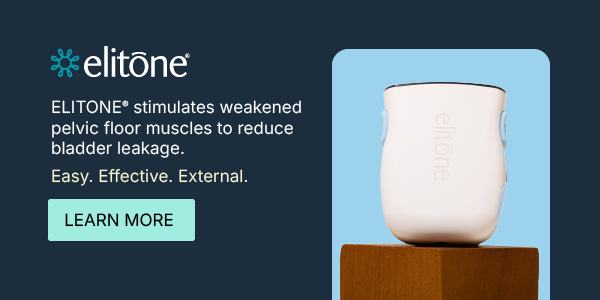
Elitone stimulates weakened pelvic floor muscles to reduce bladder leakage. Easy. Effective. External

FAQs

Is it safe to travel with urinary incontinence?

Yes. Urinary incontinence generally does not prevent travel. Packing basic backup supplies, maintaining normal hydration, and planning reasonable bathroom access can make travel more comfortable.

Should I drink less water when traveling to prevent leaks?

No. Deliberately dehydrating yourself is not a good way to manage incontinence. Concentrated urine may aggravate bladder symptoms in some people, while dehydration can contribute to constipation. Drink appropriate amounts throughout the day rather than consuming too much or too little.

What should I pack for incontinence on a flight?

Keep your usual absorbent products, spare underwear, gentle wipes, disposable bags, and ideally a lightweight change of clothing in your carry-on. Do not place all of your supplies in checked luggage.

Should I use the bathroom every time I see one while traveling?

Not necessarily. Knowing where bathrooms are located can provide reassurance, but repeatedly urinating when the bladder is barely full may reinforce frequent bathroom habits in some people. Aim for reasonable breaks rather than constant “just in case” trips.

Why does my bladder seem worse when I travel?

Travel can change hydration, food, caffeine or alcohol intake, bowel habits, activity, stress, and bathroom access. These changes may make existing bladder symptoms more noticeable even though the underlying condition has not suddenly changed.

Can flying make urinary incontinence worse?

Flying itself does not necessarily worsen urinary incontinence, but long periods of sitting, limited bathroom access, travel stress, changes in fluid intake, and caffeine or alcohol can make symptoms harder to manage.

Can I travel with Elitone?

Yes. Elitone is a compact external treatment designed for discreet use. If you are in the middle of a treatment program, you can pack your device and GelPads and continue treatment while away, following the device instructions. There are handy pouches to keep it all together.
References

  1. National Institute of Diabetes and Digestive and Kidney Diseases. Prevention of Bladder Control Problems (Urinary Incontinence) & Bladder Health. National Institutes of Health.
  2. National Institute of Diabetes and Digestive and Kidney Diseases. Treatment for Bladder Control Problems (Urinary Incontinence). National Institutes of Health.
  3. American College of Obstetricians and Gynecologists. Urinary Incontinence.
  4. National Institute of Diabetes and Digestive and Kidney Diseases. Prevention of Constipation. National Institutes of Health.
health savings plan

Health Savings Account

A Health Savings Account (HSA) is a tax-advantaged savings account that allows you to set money of a pre-tax basis.