4 Causes of Bedwetting in Adulthood and How to Break the Cycle

Adult bedwetting, or nocturnal enuresis, affects over 5 million Americans. The condition can be categorized into two types: Persistent Primary Nocturnal Enuresis, which starts in childhood, and Adult-Onset Secondary Enuresis, which develops later in life.
The article highlights several key causes, including hormonal changes, an overactive bladder, and underlying conditions like diabetes or stress. Diagnosis typically involves a physical exam and a variety of tests. Treatment options range from practical management like bladder training and pelvic floor exercises (Kegels) to medical interventions such as medication or, in some cases, surgery.
As young children, many of us experienced bedwetting, a phase we often considered normal and temporary. However, as we grow older, we expect to leave such habits behind. Yet, for millions of adults, bedwetting, or enuresis, can persist or develop later in life. In fact, more than 5,000,000 Americans struggle with this issue, highlighting that bedwetting in adulthood is more common than most realize.
If you’ve experienced this yourself—whether it has been a lifelong issue or a recent development—you know it can be a frustrating and embarrassing condition. The good news is that waking up to wet sheets doesn’t have to be a permanent part of your life.
Nocturnal enuresis, commonly referred to as bedwetting, is the involuntary release of urine during sleep. While it is often associated with childhood, bedwetting in adulthood has distinct causes and characteristics.
There are two main types of enuresis:
It’s important to differentiate enuresis from nocturia, which also occurs due to underlying urinary tract-related conditions. Nocturia is defined as waking up two or more times at night to empty your bladder. Why don’t people with enuresis get up to go to the toilet? Although some research suggests psychological factors, that question remains unanswered.

You may have tried strategies like reducing fluids before bed or waking yourself during the night, yet still find yourself dealing with wet sheets. Here are four common causes of bedwetting in adulthood that could explain your situation:
If you are among the 1 in 100 adults experiencing enuresis, you may relate to the prior adult bedwetting causes or the following common risk factors:
If you have experienced occasional or one-time bedwetting, you probably don’t have anything to worry about. But if those small accidents turn into nightly occurrences that are impacting your quality of life, it might be time to talk with your doctor. At your appointment, your doctor will begin with a physical exam and ask general questions about your health. For this reason, try to make a note of the following:
To better diagnose the problem, your doctor may also run a few tests such as:
In the short-term, if you are looking for ways to manage bedwetting, there are a few things that you can do to make your life easier in the mornings.
It is unclear why with adult bedwetting, or enuresis, sufferers are not waking up, however with treatment options that range from small changes to large-scale operations, there is hope to have dry and relaxed mornings. Here are a few lifestyle and behavioral strategies that can reduce adult bedwetting.
Symptom Management
Strengthening the Pelvic Floors
Chemical Management
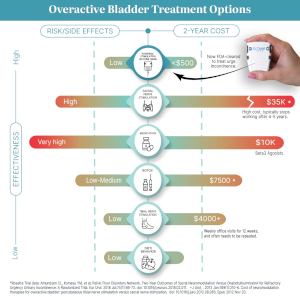
If medications and treatment are not effectively helping your adult bedwetting causes, your doctor might recommend surgery as a last resort. These are a few options:
Take the First Step Toward Dry Nights
Bedwetting in adulthood can feel isolating, but it is a manageable condition with the right guidance and treatment. By consulting your doctor and exploring available solutions, you can regain confidence and comfort. Millions of adults face this challenge—but with support, waking up to dry sheets is possible.
Is adult bedwetting considered a medical condition?
Yes. Adult bedwetting (also called nocturnal enuresis) is not normal aging and is often a sign of an underlying issue, such as an overactive bladder, weakened pelvic floor muscles, hormonal changes, sleep disorders, or certain medications. Because causes vary, persistent bedwetting should be discussed with a healthcare provider.
Why does adult bedwetting sometimes happen without warning?
Many adults who experience bedwetting report no urge or sensation before leaking. This can happen when bladder signaling is disrupted during sleep, bladder contractions occur involuntarily, or pelvic floor muscles are unable to counter sudden pressure changes. Deep sleep and fatigue can also reduce the brain’s ability to respond to bladder signals overnight.
Can stress or anxiety contribute to bedwetting in adults?
Yes. Chronic stress and anxiety can affect bladder function by increasing muscle tension, disrupting sleep patterns, and heightening bladder sensitivity. Stress may not be the sole cause, but it can worsen symptoms or make episodes more frequent.
How long should I wait before seeking help for adult bedwetting?
If bedwetting occurs more than once, happens regularly, or begins suddenly after a long period without symptoms, it’s worth seeking medical guidance. Early evaluation can help rule out infections, neurological conditions, or sleep-related disorders and identify conservative treatment options before symptoms progress.
Can pelvic floor weakness cause adult bedwetting?
Yes. The pelvic floor muscles help keep the urethra closed and support bladder control. When these muscles are weak or poorly coordinated, they may not respond quickly enough during sleep, increasing the risk of nighttime leaks. Strengthening the pelvic floor is often part of conservative treatment plans for adult bedwetting.
Can Elitone help with adult bedwetting?
Elitone is designed to strengthen pelvic floor muscles using external neuromuscular stimulation. While Elitone is not a treatment specifically for bedwetting, improving pelvic floor strength may help support better bladder control overall, including nighttime leakage related to muscle weakness. Many women use pelvic floor strengthening as part of a broader approach recommended by their healthcare provider.









Receive educational resources, exclusive offers, and new product information.