Nutrition for Menopause and Healthy Weight
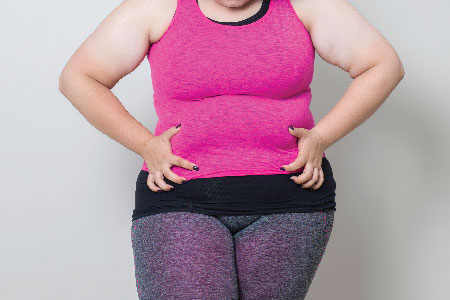
There is no single “menopause diet,” but nutrition can help support muscle, bone, metabolic health, and a healthy weight during midlife.
One of the most important priorities is getting enough protein. Protein provides the amino acids needed to maintain and repair muscle tissue, especially when combined with resistance exercise. Spreading protein across meals may also make it easier to meet daily needs.
Other helpful strategies include:
- Choosing minimally processed foods most of the time
- Including vegetables, fruits, whole grains, legumes, and healthy fats
- Getting enough calcium and vitamin D for bone health
- Limiting highly refined carbohydrates and excess added sugar
- Paying attention to portions of calorie-dense foods
- Using alcohol in moderation, if at all
Protein quality matters, too. Different proteins provide different amino acid profiles and may serve different goals. Our article Collagen Protein Powder for Women looks more closely at collagen, proline, connective tissue, and why protein needs can become more important as women age.
Exercise, Strength Training, and Menopause
Exercise remains important during menopause, but the goal should not be simply to burn as many calories as possible.
Resistance or strength training is especially valuable because it helps preserve and build muscle, supports bone health, and improves physical function. Aerobic exercise is also important for cardiovascular health, endurance, and overall calorie balance.
A well-rounded routine may include:
- Strength training at least several times per week
- Regular walking or other aerobic activity
- Balance and mobility work
- Pelvic floor exercises or treatment when bladder leakage is present
If exercise itself causes urine leakage, see Bladder Leakage During Exercise and How to Stop It.
Does HRT Cause Weight Gain?
HRT is often blamed for weight gain, but current evidence does not show that hormone therapy is a major cause of midlife weight gain.
Weight and body composition are already changing for many women during the years when HRT is started, which can make the two seem connected. Some research suggests hormone therapy may modestly reduce the shift toward abdominal fat, although it should not be prescribed primarily as a weight-loss treatment.
For a fuller discussion of how hormone therapy works and who may benefit, see our guide to Hormone Replacement Therapy (HRT): Benefits, Risks, and Treatment Options.
Weight Gain and Bladder Leaks
Body weight can also affect bladder control. Higher abdominal pressure can place more stress on the bladder and pelvic floor, which may worsen stress urinary incontinence in some women.
Weight loss has been shown to improve urinary incontinence symptoms in women with overweight or obesity, but weight is only one factor. Pelvic floor strength, childbirth history, age, connective tissue, and bladder function also matter.
If bladder leakage has become more noticeable during menopause, see Menopause and Urinary Incontinence: Why Bladder Leaks Happen and What Can Help for treatment options based on whether your symptoms are stress, urge, or mixed incontinence.
When to Talk With a Healthcare Provider
Gradual body composition changes are common during midlife, but rapid or unexplained weight changes deserve medical attention.
Talk with a healthcare provider if weight gain is sudden, severe, or accompanied by symptoms such as significant fatigue, swelling, major changes in appetite, or other new health concerns. Thyroid disease, medications, sleep disorders, depression, and other medical conditions can affect weight and may need to be evaluated separately.
The most useful goal during menopause is often broader than a number on the scale: preserving muscle, supporting bone and metabolic health, staying active, and addressing symptoms that interfere with quality of life.