Clinicians

Accelerated Post-Prostatectomy Continence Recovery

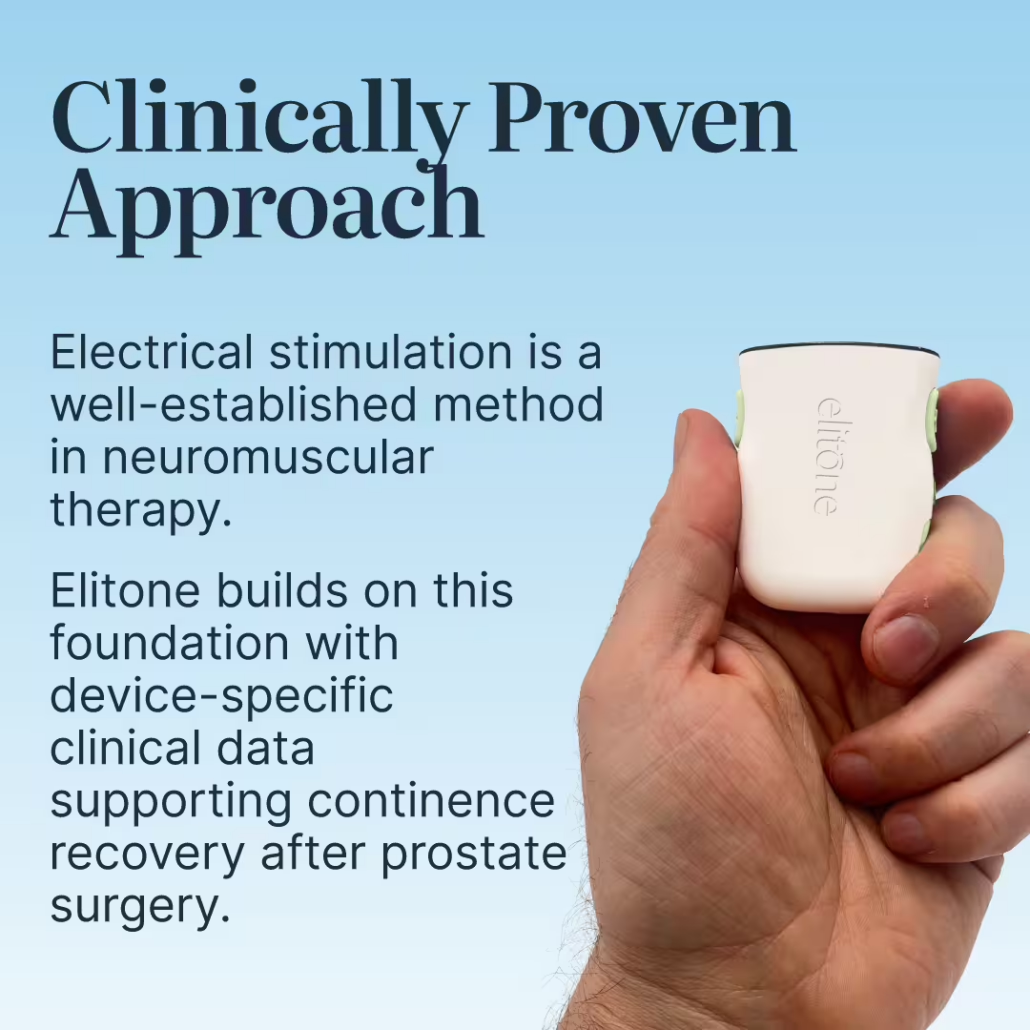
Elitone for Men is an external neuromuscular stimulation device designed to stimulate and condition pelvic floor muscles in men recovering from prostate surgery.

  • External, no probes or implants
  • Home-based therapy
  • Designed to complement pelvic floor rehabilitation
Clinicians Hero 030926

Clinical Opportunity.

Urinary incontinence is common after prostatectomy, with many men still experiencing leakage during early recovery.

Typical management includes:

  • Pelvic floor exercises
  • Pelvic floor physical therapy
  • Observation

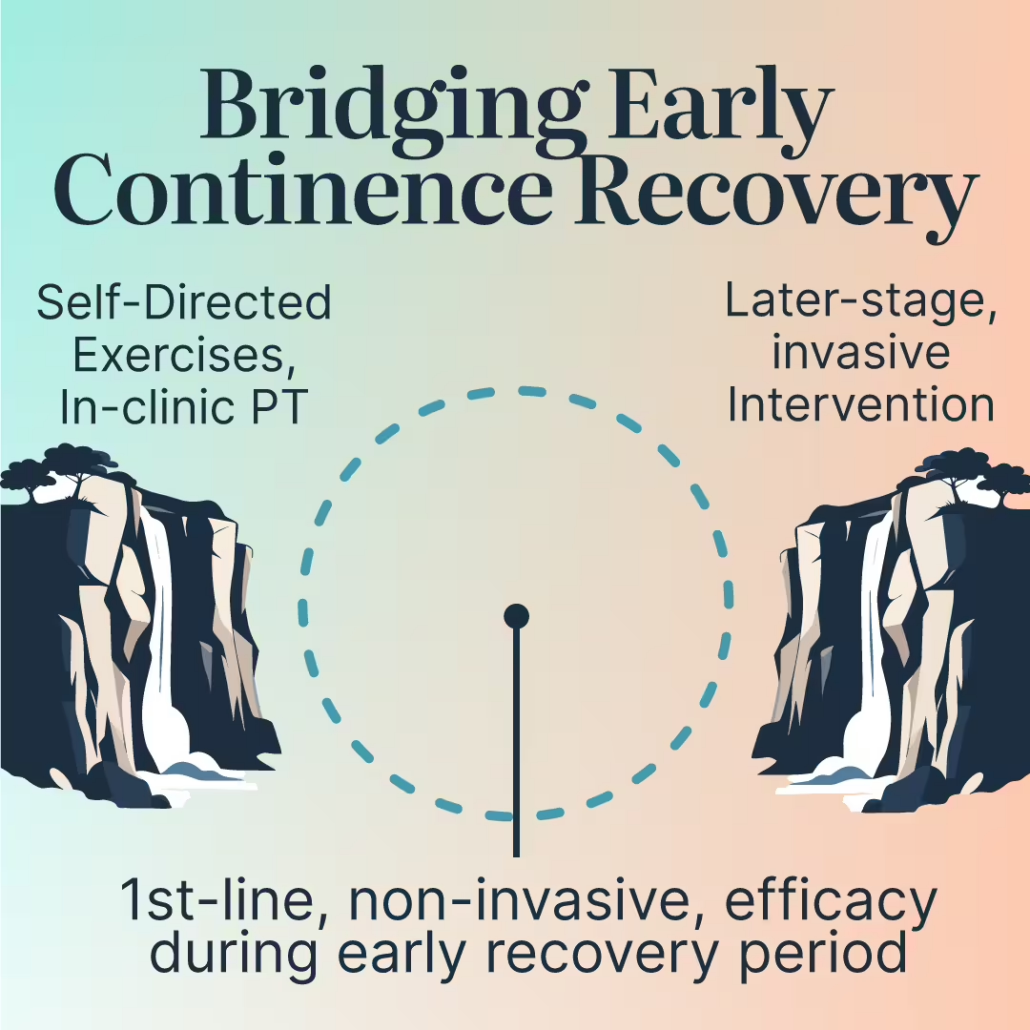
Early, structured pelvic floor activation may help support neuromuscular retraining during this period. Elitone for Men provides a non-invasive option designed to support this stage of recovery.

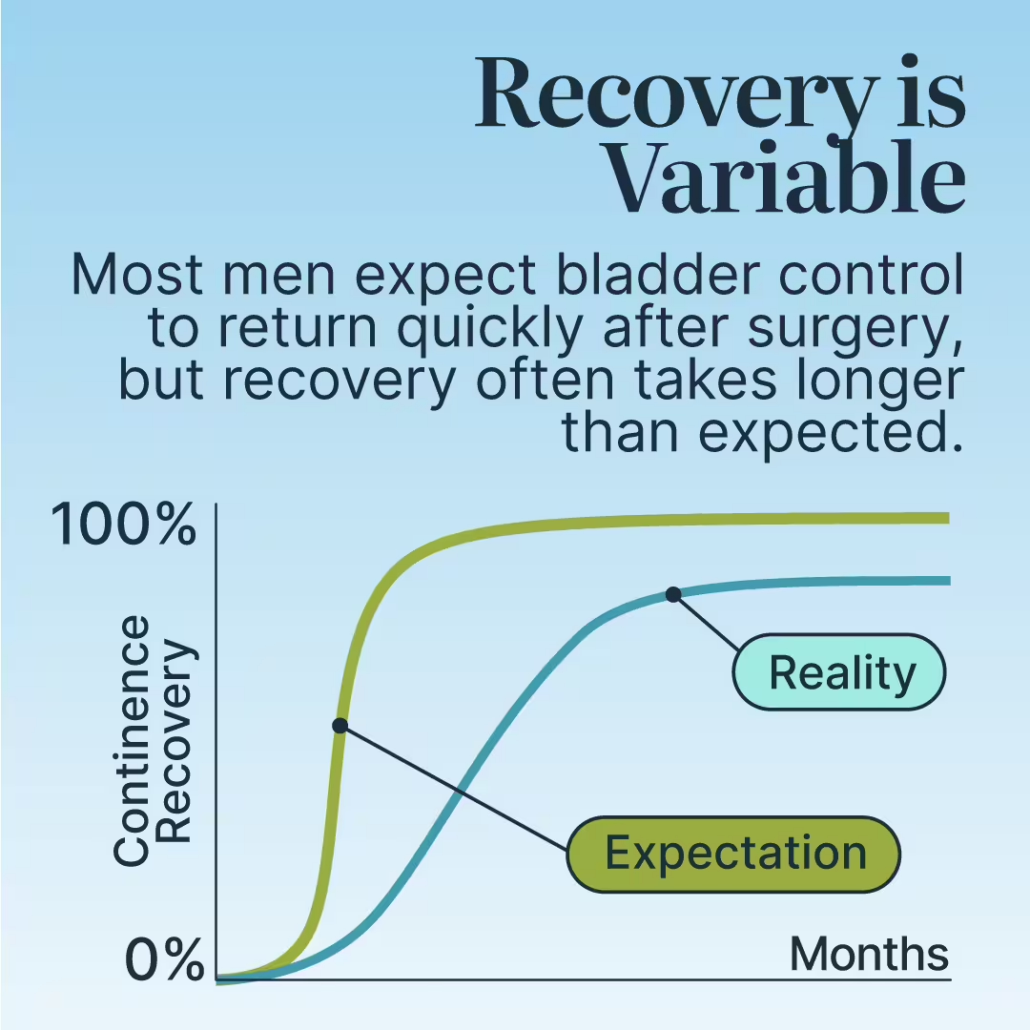
Continence recovery after prostatectomy varies widely.

  • Most men experience leakage after catheter removal.
  • 30–60% of men still report leakage at 3 months.
  • Recovery can continue for up to 12 months or longer.
  • 5–20% of men remain incontinent beyond one year.

Recovery timelines depend on age, baseline pelvic floor strength, nerve preservation, and adherence to rehabilitation strategies.

Sources: American Urological Association (AUA) Guidelines; Ficarra et al., European Urology 2014.

Continence after prostatectomy depends largely on the function of the external urethral sphincter and surrounding pelvic floor muscles. During radical prostatectomy, the internal urinary sphincter at the bladder neck is removed. After surgery, urinary control therefore relies on the remaining sphincter mechanism and the coordinated activation of pelvic floor muscles to maintain urethral closure during increases in abdominal pressure.

Early pelvic floor activation is thought to support this transition. By engaging the muscles responsible for urethral support and closure, activation may help restore strength, endurance, and neuromuscular coordination that are temporarily impaired after surgery. In the early postoperative period, neural signaling and muscle responsiveness can be reduced, making voluntary contractions inconsistent or weak. Structured activation can help re-establish the muscle recruitment patterns necessary for continence control.

Clinical guidelines reflect the importance of pelvic floor rehabilitation in this setting. The American Urological Association (AUA) recommends pelvic floor muscle training as a first-line approach for men experiencing urinary incontinence following prostate treatment, recognizing its role in supporting continence recovery over time.

Sources:
American Urological Association. Incontinence after Prostate Treatment Guideline.
Ficarra V. et al. European Urology, 2014. Systematic review of continence outcomes after radical prostatectomy.

Regaining continence after prostatectomy depends on the pelvic floor muscles and the external urethral sphincter taking over a greater role in urinary control. While most men gradually recover, the process can be slower or more difficult for some patients due to several physiological and behavioral factors.

Post-surgical neuromuscular changes
Prostate surgery can temporarily affect the nerves and muscle coordination involved in continence. Even when a patient attempts to contract the pelvic floor correctly, muscle activation may initially be weak or inconsistent as the neuromuscular system recovers.

Difficulty performing effective pelvic floor contractions
Many men are unfamiliar with the pelvic floor muscles and may struggle to identify or isolate them correctly. It is common for patients to substitute with abdominal, gluteal, or thigh muscles, limiting the effectiveness of pelvic floor training.

Inconsistent adherence to rehabilitation exercises
Pelvic floor strengthening typically requires regular training over weeks to months. Without feedback or structured programs, adherence can decline, reducing the likelihood of meaningful strength and coordination improvements.

Individual variation in healing and recovery
Age, baseline muscle condition, nerve preservation during surgery, and surgical technique all influence recovery timelines. As a result, continence recovery varies widely between patients, and some men require additional support to restore pelvic floor function.

Sources:
American Urological Association. Incontinence after Prostate Treatment Guideline.
Ficarra V. et al., European Urology, 2014. Systematic review of continence outcomes after radical prostatectomy.


Workflow Simplicity.

Elitone for Men fits naturally into standard post-prostatectomy follow-up. It can be introduced during routine recovery visits for patients beginning rehabilitation or experiencing persistent leakage.

The therapy requires minimal clinic resources, with direct-to-patient fulfillment and simple implementation alongside pelvic floor rehabilitation.

To learn more about offering Elitone for Men to your patients, request information or schedule a brief discussion with our team.

Many clinicians incorporate pelvic floor rehabilitation into the early recovery period following prostate surgery. Elitone for Men can be introduced as part of this structured approach, supporting pelvic floor activation while patients are working to regain continence.

The device is typically discussed during routine postoperative follow-up visits when patients begin focusing on recovery milestones such as urinary control and pelvic floor strengthening. Because therapy is performed at home in short, scheduled sessions, it can fit naturally alongside standard guidance on pelvic floor exercises and recovery expectations.

Practices often find that positioning Elitone within a structured recovery pathway helps patients engage more actively in rehabilitation while providing clinicians with a clear framework for discussing continence recovery.

We’re happy to share examples of how other practices introduce Elitone to patients, including suggested timing, patient education approaches, and integration with standard follow-up care. More details are available during a scheduled call.

Elitone for Men is designed to integrate into the existing continence recovery pathway without creating billing complexity for the practice. In many cases, clinicians choose to introduce the therapy as part of postoperative rehabilitation discussions while continuing to document pelvic floor training and continence recovery during routine follow-up care.

Because coding approaches can vary depending on the clinical setting, provider type, and whether pelvic floor training or rehabilitation services are performed in the clinic, practices often have questions about documentation, appropriate CPT codes, and how the therapy fits within current care workflows.

We are happy to share examples of how other practices approach coding and documentation when introducing Elitone for Men. Additional details and practical guidance are available during a scheduled call.

Elitone for Men is designed to be accessible for patients during the recovery period following prostate surgery. Because coverage policies can vary across insurers and plan types, patients may obtain the device through different pathways depending on their individual benefits.

In many cases, practices choose to introduce the therapy as part of the recovery discussion while patients work directly with our team to determine eligibility, coverage options, and out-of-pocket costs. This approach allows clinicians to focus on patient care while support staff assist patients with the administrative steps.

We are happy to walk through how insurance inquiries, benefit verification, and patient support are typically handled. More details on coverage pathways and patient access are available during a scheduled call.

The goal of the call is to give you a clear understanding of how Elitone for Men fits into the post-prostatectomy recovery pathway and how simple it can be to introduce in practice. In a short conversation, we’ll walk through the essentials and answer any questions you may have.

During the call, we’ll typically cover:

  • Which patients are appropriate candidates and when therapy is typically introduced after surgery
  • How the device works and the treatment protocol used in clinical practice
  • How other clinicians position Elitone within their continence recovery pathway
  • Patient access, insurance considerations, and ordering options
  • Operational details, including staff involvement and implementation in the clinic

The discussion is brief, practical, and tailored to your practice. Our goal is simply to help you determine whether Elitone for Men could be a useful addition to your patient recovery program.

Explore How Elitone for Men Fits Your Practice

Provide your contact information and we’ll send materials to help you introduce Elitone in your practice.

[qsm quiz=36]

Schedule a 15 minute video call with a product expert. It’s an easy first step in determining how Elitone can be implemented in your practice.

Provide your contact information and we’ll send materials to help you introduce Elitone in your practice.

[qsm quiz=27]