For Clinicians

Tried It All for Your Incontinence Patients? Finally, a Conservative Option That Works.

Clinically proven, non-invasive, and easy for patients to use at home — Elitone and Elitone URGE fill the treatment gap for mild-to-moderate urinary incontinence.

Why Elitone?

Treating Incontinence Shouldn’t Be Frustrating for You and Your Patients

Many women avoid treatment due to invasive or time-consuming options. Elitone:

  • Improves patient acceptance – Non-invasive, external therapy
  • Frees up clinic time – FDA-cleared for patients to use at home
  • Reduces follow-up burden – High compliance and easy to use
  • Affordable – Covered by Medicare, low-cost, HSA/FSA eligible

3E Icons 01

We’ve interviewed hundreds of clinicians about the challenges they see in managing mild-moderate incontinence patients. Which do you relate to?

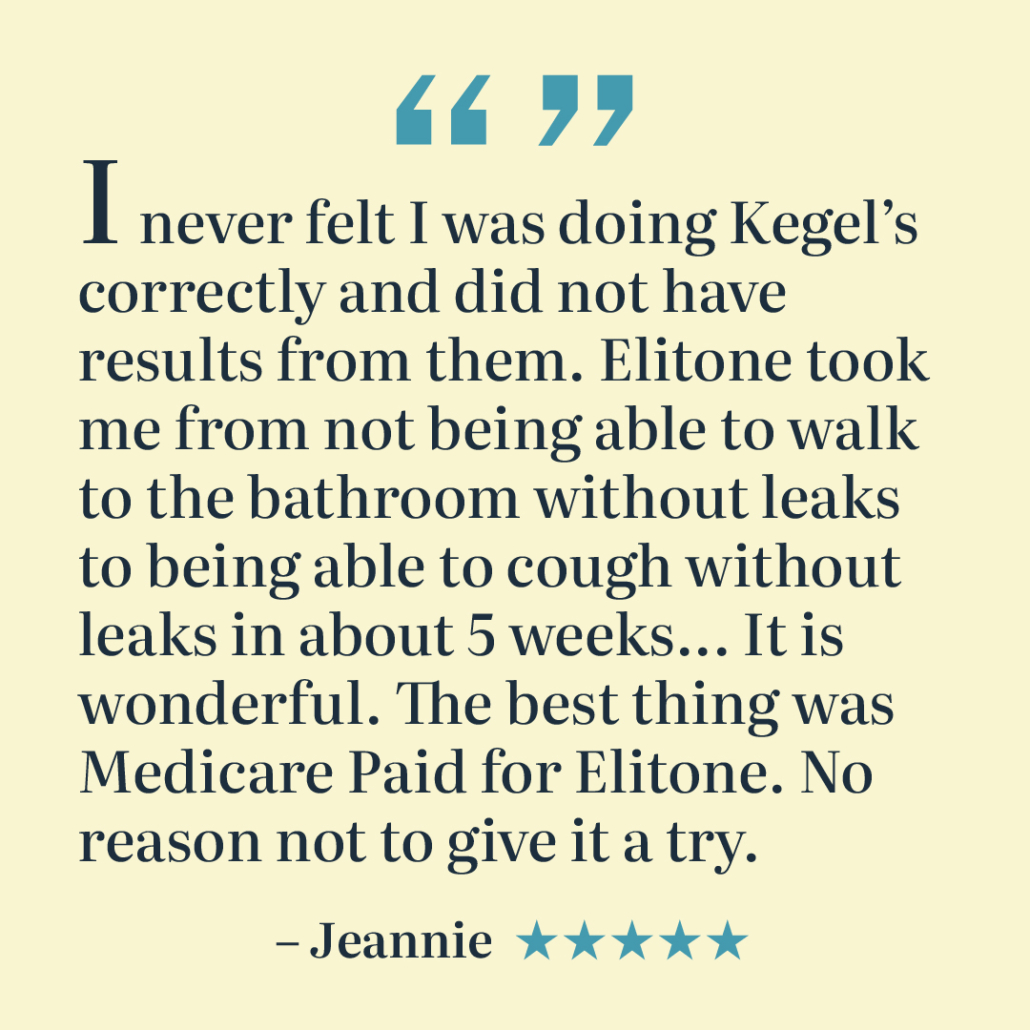
  • Behavioral interventions (e.g., Kegels, PT) require time, motivation, and consistency. Most patients don’t comply long-term.
  • 1/4 women fail to perform Kegels correctly or forget altogether.
  • Pelvic floor physical therapy can be time-intensive and hard to access, especially in underserved areas. Only 14% finish course.

Pain Point: Conservative options are often prescribed, but many patients don’t adhere, leading to poor outcomes and repeat visits.

  • Clinicians are often stuck in a frustrating gap between lifestyle/PT and surgical options.
  • Patients often desire a non-invasive solution, but few FDA-cleared devices are available.
  • Bulking agents have modest efficacy and require repeat treatments.

Pain Point: There’s a lack of effective, mid-tier treatment options that fit patient preferences and clinical goals.

  • Incontinence patients can require multiple appointments, especially when discussing or troubleshooting conservative management.
  • In-office therapy devices or biofeedback machines require dedicated staff time and space.

Pain Point: Clinicians want low-lift solutions that don’t add operational burden to the practice, or even generate billing opportunities with new CPT codes.

  • Many women are hesitant about implants or injections, even when appropriate.
  • This leads to delayed treatment and continued symptom burden.

Pain Point: Patients want options that are non-invasive, discreet, and empowering, but are often unaware such options exist.

  • Pelvic floor PT, Emsella and most devices may not be covered or have complex reimbursement requirements.
  • Time-consuming prior authorizations or unclear pathways discourage treatment attempts.

Pain Point: Even interested clinicians may avoid recommending certain treatments due to coverage headaches.

How it Works?

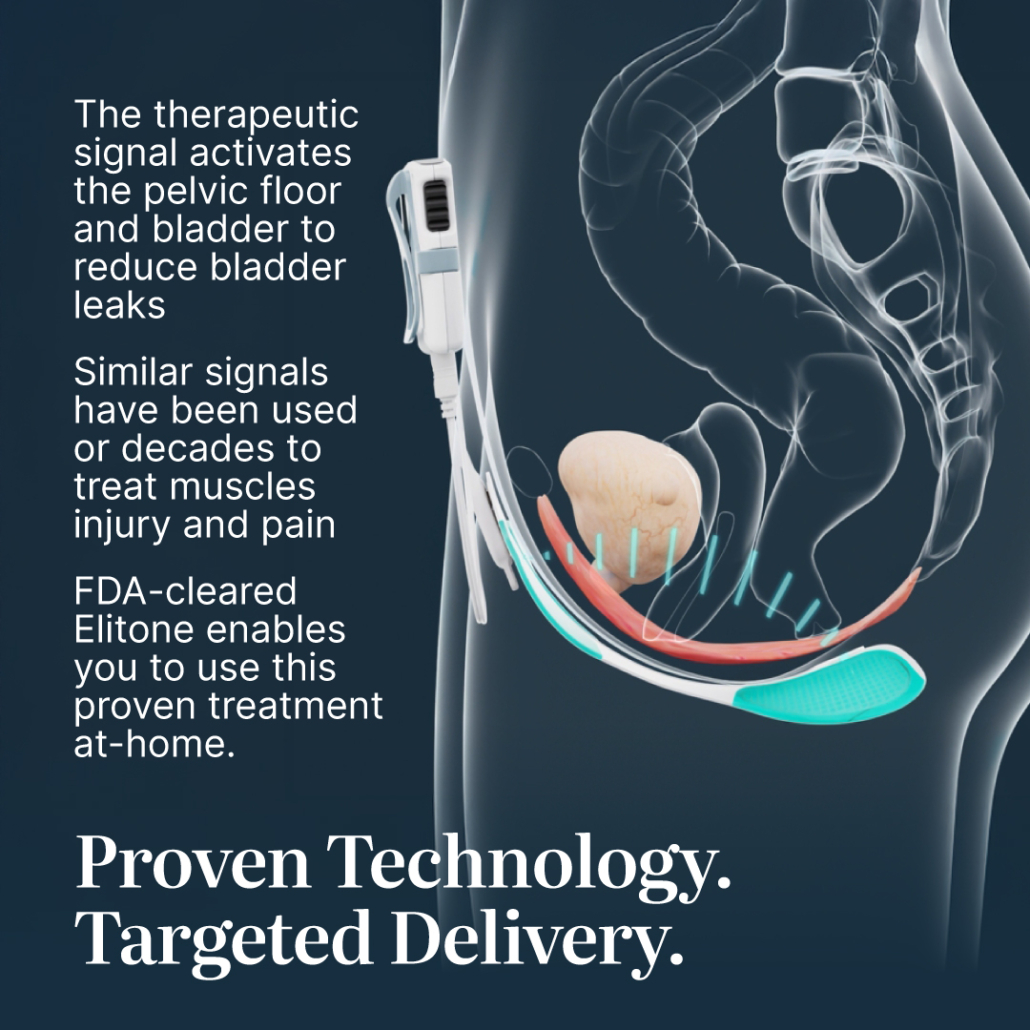
Perineal-applied Neuromuscular Stimulation

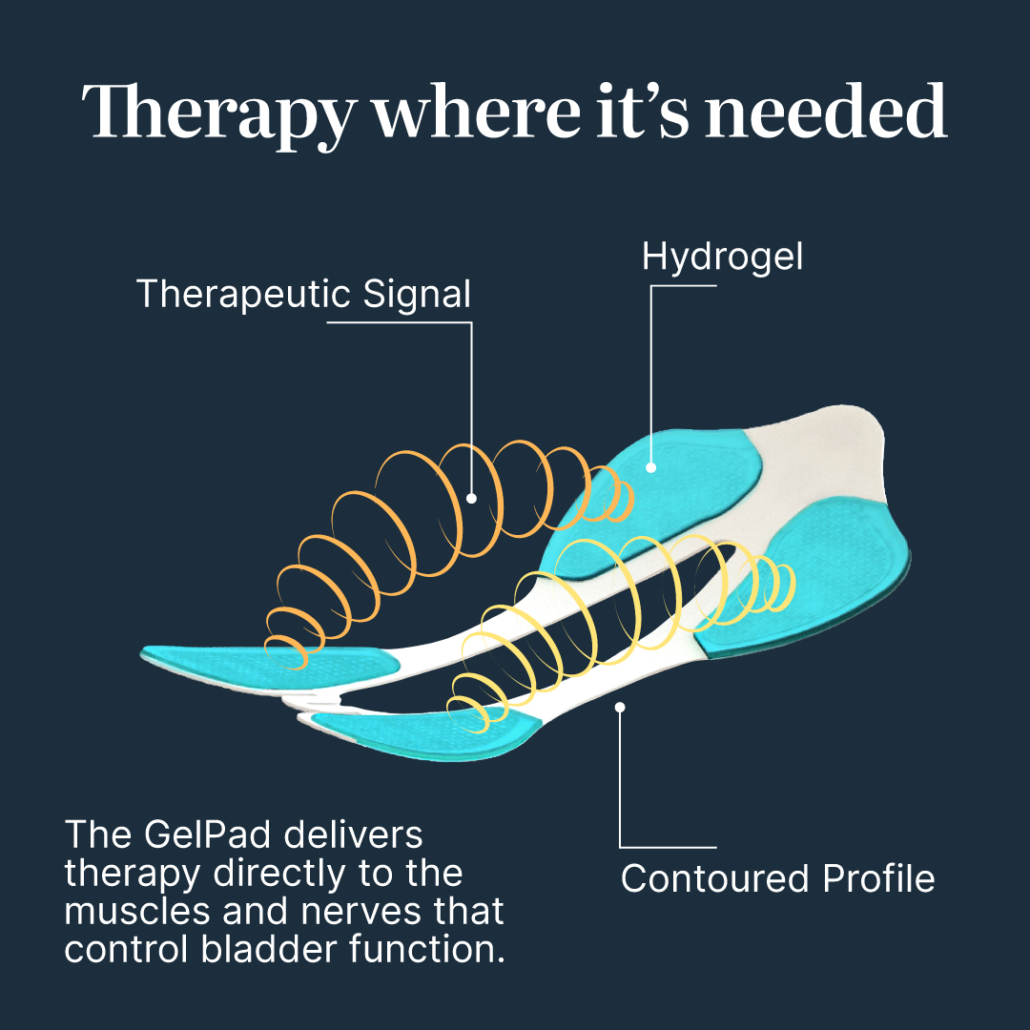
Elitone and Elitone URGE precisely deliver pelvic floor stimulation to effectively treat the most common types of incontinence.

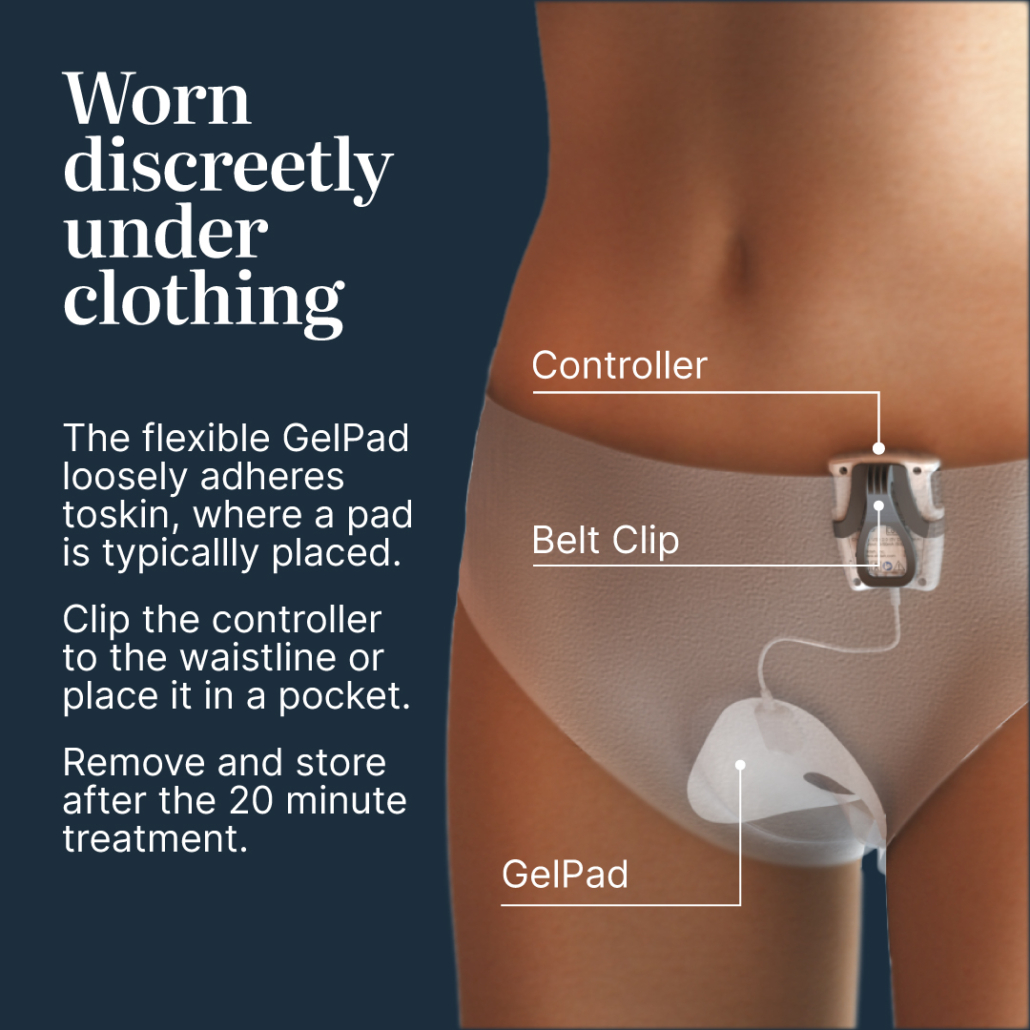
  • 20-minutes daily at home (while multi-tasking)
  • External application. No probes
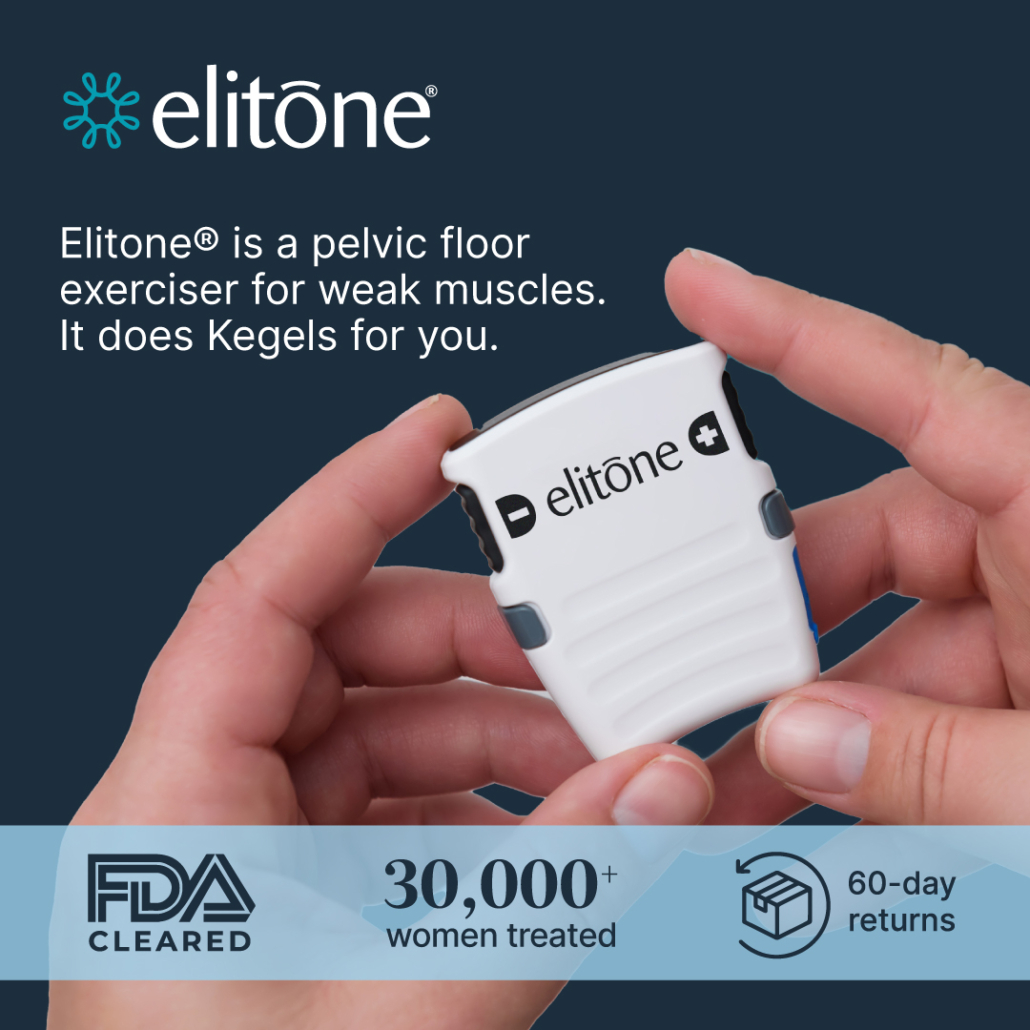
  • Elitone – Exercises the pelvic floor,  100 Kegels in 20 minutes
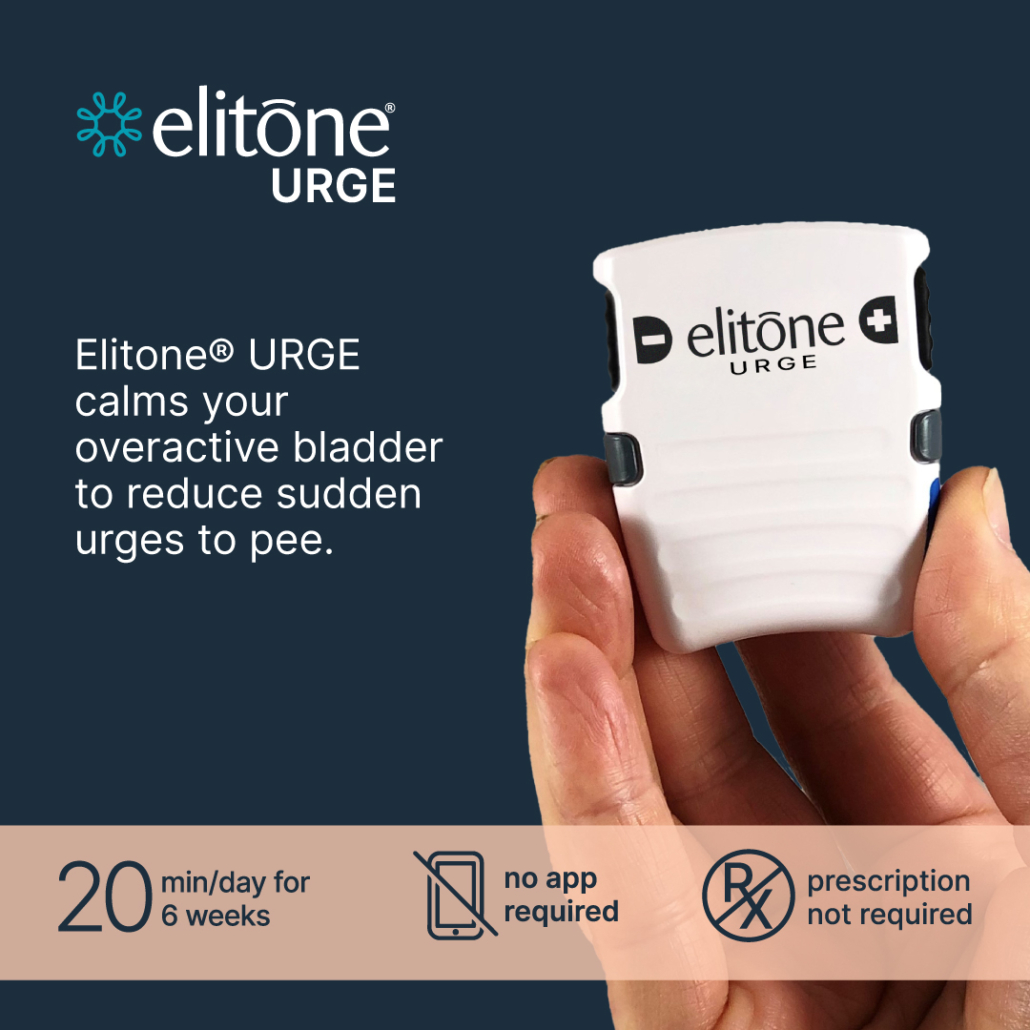
  • Elitone URGE – calms the overactive bladder
  • High-frequency base wave for optimum comfort

Clinical Evidence

Clinically Proven and FDA Cleared

Over 30,000 women have used Elitone and Elitone URGE to treat incontinence. Clinical studies that supported FDA-clearance reported:

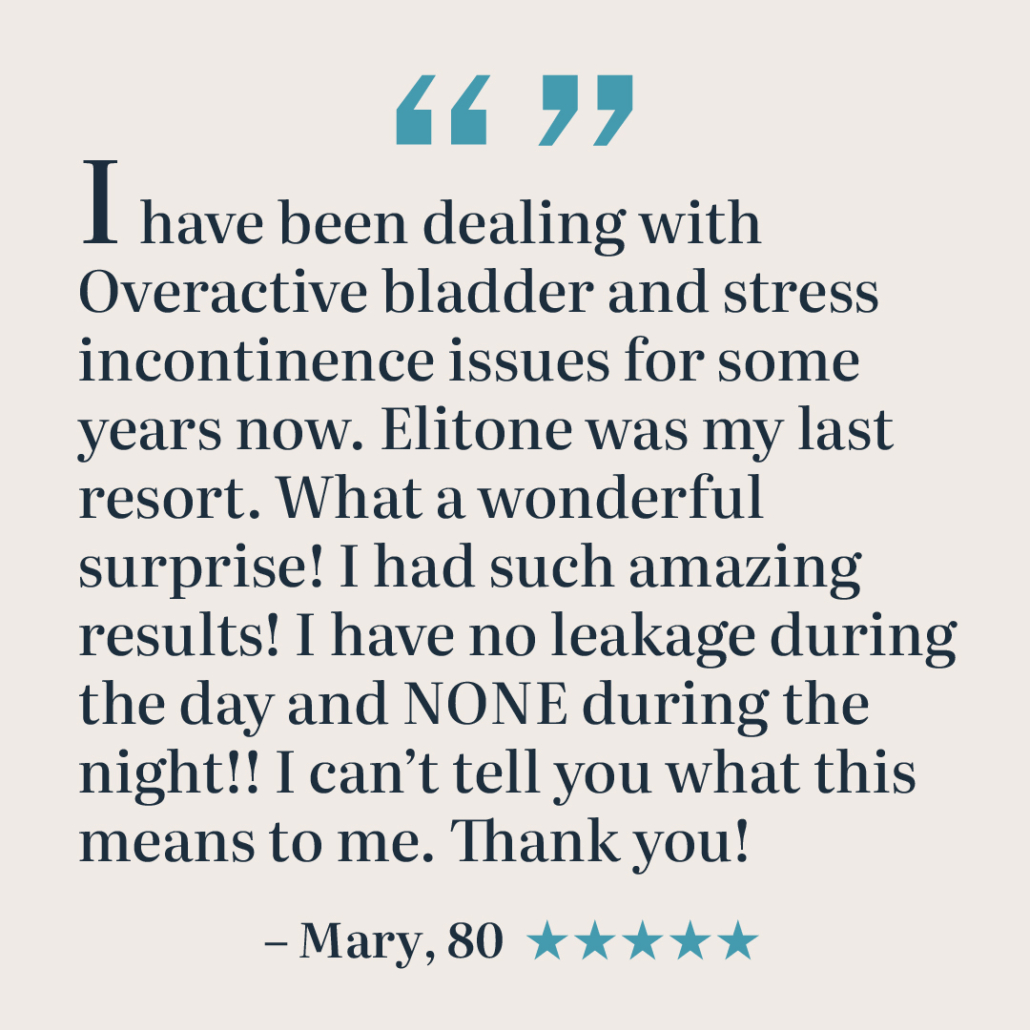
  • 95% of women reduced leaks
  • >70% reduction in leaks per day
  • 80% reduction in pad-use
  • I-QoL gains 5X more than FDA-threshold

Neuromuscular stimulation has been used to improve pelvic function for decades. Elitone builds on this history by delivering well-proven waveforms through patented, easy-to-apply GelPads. Numerous clinical studies have demonstrated safety and efficacy including:

Subjects living with stress incontinence for an average of 11 years quickly improved with Elitone. After 6 weeks of treatment 95% reported fewer leaks, with an average reduction of 71%. They also used fewer pads and had greatly improved Quality-of-Life scores. [READ]

In a large, randomized controlled study, subjects showed significant improvement over a “placebo” active sham device. This 12-week study included objective pad weight tests. Using meta data, outcomes were 66% better than typical results from vaginal stimulation devices. [MORE]

97% of participants with urge and mixed incontinence improved with Elitone URGE after just 6 weeks. 85% of these achieved over 50% reduction in urge accidents. Quality-of-Life improved 10x more than what FDA considers “clinically significant.” [READ]

The study showed visual objective evidence that Elitone contracts the pelvic muscles. This included a subject who could not achieve a Kegel contraction on her own (even though she thought she was). Elitone did the work for her. [READ]

vs Internal Devices: Pelvic floor trainers coach you on how to do Kegels, but you still do the work. They don’t deliver stimulation and most are not FDA-cleared for treating incontinence. Vaginally inserted electrical stimulation devices, a different category of devices, do the work for you and are intended for treating incontinence. Unfortunately, both types use vaginal probes and require finding dedicated time and and private place for treatment. They can also be uncomfortable and include a risk of infection. Elitone is completely external, making it safe, clean and easy.

vs Electromagnetic Chairs: Chairs are expensive and cannot be used for maintenance easily. AHRQ, Effective Health Care Program No. 36 reports magnetic chairs had the worst effectiveness of non-surgical treatments.

vs Sacral Nerve Stimulation: Implants can be costly and their efficacy rate is only after passing an explant procedure. Nerve fatigue results in reduced efficacy after a few years.

vs PTNS: PTNS uses secondary nerves, not direct, which can diminish effectiveness. It typically requires weekly office visits.
Patient Experience

Designed for Real Life

Elitone is discreet, wearable, and doesn’t interrupt the patient’s day — increasing likelihood of adherence and positive outcomes.

  • Easy to operate
  • Use at home
  • Do other things during treatment
  • Discreet
  • Comfortable

Access and Insurance

Available with or without a Prescription

Elitone underwent rigorous testing to obtain both Rx and OTC clearance, providing greater access for your patients. We also offer.

  • Best pricing from this site
  • Automatic HSA/FSA approval
  • Payment options
  • Medicare coverage (Rx required)

Most patients purchase Elitone directly from this site. Several payment options are available to spread the cost over multiple months.

Elitone is HSA/FSA eligible. To make it easy, we’ve partnered with SIKA—just choose SIKA at checkout to use your funds with no extra paperwork.

Elitone is covered nationwide by Medicare Part B (original or traditional) as Durable Medical Equipment (DME). It’s rented for 13 months, then owned by the patient.
A prescription with a medical necessity statement is required, and patients are responsible for any co-pays or out-of-pocket costs. Learn More.

If a patient has Medicare Advantage (“Part C”), Medicaid, or private insurance, it is unlikely that Elitone will be covered at this time. We can provide an initial eligibility assessment. Many women opt to self-pay using their HSA/FSA funds.

For Your Practice

Improve Outcomes Without Sacrificing Time

Elitone complements your current care plans without adding burden to your schedule. Ideal for patients:

  • Newly diagnosed exploring first-line options
  • Can’t perform or not-compliant with Kegels
  • Recovering postpartum women
  • Busy, working moms with no time
  • Women who prefer non-internal solutions
  • Non-surgical candidates
  • Low tolerance of medication’ side effects

Start Using Elitone in Your Practice

The next steps are easy, and we’re here to help.

Provide your contact information and we’ll send materials to help you introduce Elitone in your practice.

Which best describes you?

Schedule a 15 minute video call with a product expert. It’s an easy first step in determining how Elitone can be implemented in your practice.

Provide your contact information and we’ll send materials to help you introduce Elitone in your practice.

Which best describes you?