Postpartum Recovery: How Your Pelvic Floor Heals After Childbirth

Pregnancy and childbirth place significant strain on the pelvic floor, the muscles and tissues that support your bladder, uterus, and bowel. Recovery takes time, but understanding what has changed and how to rebuild strength and coordination can help support bladder control, pelvic health, and a return to everyday activity.

Updated: August 14, 2026
Author: Elidah Medical Staff

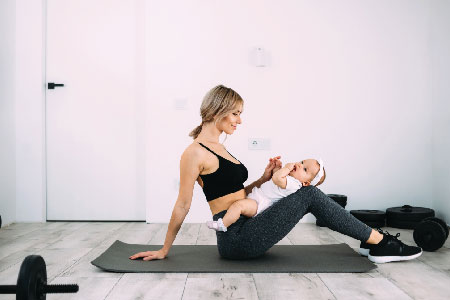
postpartum recovery and postpartum care

What Is the Pelvic Floor?

The pelvic floor is a group of muscles and connective tissues that forms a supportive sling across the bottom of the pelvis. It helps support the bladder, uterus, rectum, and other pelvic organs.

These muscles are involved in bladder and bowel control, sexual function, and core stability. When the pelvic floor is working well, you may barely notice it. When it becomes weak, injured, overly tight, or poorly coordinated, symptoms can include bladder leakage, bowel-control problems, pelvic pressure, pain, or difficulty returning comfortably to exercise. Learn more about the symptoms of a weak pelvic floor and how pelvic floor function can affect bladder control.

How Do Pregnancy and Childbirth Affect the Pelvic Floor?

Pregnancy places increasing weight and pressure on the pelvic floor for many months. Hormonal changes also allow tissues throughout the pelvis to become more flexible in preparation for childbirth.

During vaginal delivery, the pelvic floor stretches further to allow the baby to pass through the birth canal. Depending on the delivery, the muscles, connective tissues, and nerves may temporarily lose strength or coordination. Tearing, assisted delivery, a long labor, or other birth-related injuries may add to the recovery needed afterward.

Pelvic floor symptoms are not limited to vaginal delivery. Pregnancy itself places substantial stress on these structures, so women who deliver by C-section may also experience weakness, bladder leakage, or other pelvic floor changes.

How Long Does Postpartum Recovery Take?

There is no single postpartum recovery timeline. The first six to eight weeks are often considered the early postpartum period, but many physical changes continue for months after delivery.

Healing also depends on factors such as the type of delivery, tearing or surgical incisions, complications, sleep, nutrition, previous pregnancies, and the demands of caring for a newborn. Preparing ahead with practical postpartum essentials can make some aspects of those early weeks easier to manage.

For that reason, the traditional six-week postpartum visit should not be viewed as a deadline by which your body is supposed to feel completely normal again. Postpartum recovery is better thought of as an ongoing process.

What Helps the Pelvic Floor Recover After Childbirth?

Early postpartum recovery starts with allowing tissues to heal and gradually rebuilding activity. Your healthcare provider can help determine what is appropriate based on your delivery and individual recovery.

Helpful parts of postpartum pelvic floor recovery may include:

  • Rest and gradual return to activity
  • Good hydration and nutrition
  • Avoiding constipation and repeated straining
  • Learning how to engage and relax the pelvic floor correctly
  • Pelvic floor muscle exercises when appropriate
  • Pelvic floor physical therapy when symptoms persist or additional guidance is needed
  • Gradually rebuilding core and overall strength

Recovery is not simply about making the pelvic floor stronger. The muscles also need to relax and coordinate properly with your breathing and abdominal muscles.

Stage of RecoveryWhat May Be HappeningPelvic Floor Focus
Early days and weeksHealing, soreness, bleeding, swelling, and fatigueRest, gentle movement, and avoiding straining
First several weeksTissues continue healing and daily activity gradually increasesBegin gentle pelvic floor awareness as advised
Around the postpartum follow-upRecovery and symptoms can be reassessedDiscuss leakage, pain, pressure, and exercise readiness
Following monthsStrength, endurance, and activity continue to returnProgress pelvic floor and core rehabilitation as appropriate
If symptoms persistLeakage, pressure, pain, or weakness may remainConsider pelvic floor physical therapy or other treatment options

How Do Kegels Help With Postpartum Recovery?

Kegel exercises, also called pelvic floor muscle exercises, involve tightening and relaxing the muscles that support the bladder, bowel, and uterus. Strengthening these muscles can improve their ability to support the pelvic organs and help control urine.

The exercises sound simple, but technique matters. A good pelvic floor contraction should involve the correct muscles without excessive tightening of the abdomen, buttocks, or thighs. Just as importantly, the muscles should be able to relax fully between contractions.

If you are not sure whether you are doing Kegels correctly, do not simply perform more of them. A healthcare provider or pelvic floor physical therapist can help determine whether weakness is actually the problem and teach you how to contract and relax the muscles appropriately. You can also learn more about options for improving bladder control beyond Kegel exercises.

When Should You Consider Pelvic Floor Physical Therapy?

Pelvic floor physical therapy can be useful when recovery is not progressing as expected or when symptoms involve more than simple weakness.

A pelvic floor physical therapist can evaluate muscle strength, coordination, endurance, tension, breathing patterns, and how the pelvic floor works with the rest of the core.

You may want to ask about pelvic floor physical therapy if you experience:

  • Persistent bladder or bowel leakage
  • Pelvic pain or pressure
  • Painful intercourse
  • Difficulty identifying or performing a pelvic floor contraction
  • A feeling of vaginal heaviness or bulging
  • Difficulty returning comfortably to exercise
  • Symptoms that are not improving as your overall recovery progresses

If bladder leakage becomes most noticeable when you return to running, jumping, or other workouts, our guide to bladder leakage during exercise explains why activity can expose lingering pelvic floor weakness.

What Should You Ask About at Your Postpartum Visit?

Postpartum care does not have to wait until a single six-week appointment, and recovery does not end at six weeks. Your postpartum visits are opportunities to discuss symptoms and determine whether additional treatment or rehabilitation would help.

For pelvic floor recovery, useful questions include:

  • Is my pelvic floor healing as expected?
  • When is it appropriate for me to begin or increase exercise?
  • Am I contracting and relaxing my pelvic floor correctly?
  • Should I see a pelvic floor physical therapist?
  • Is bladder leakage at this stage something we should treat?
  • Could pelvic pressure, pain, constipation, or painful sex be related to pelvic floor dysfunction?

Bring up these symptoms even if your healthcare provider does not specifically ask about them. Bladder leakage and other pelvic floor concerns are common after childbirth, but they still deserve attention.

What If Bladder Leakage Continues After Childbirth?

Bladder control often improves as the body heals, but urinary leakage may continue beyond the early postpartum period. Stress urinary incontinence commonly causes leakage with coughing, sneezing, laughing, lifting, running, or exercise.

Persistent leakage does not mean that childbirth permanently damaged your bladder. Pelvic floor muscle training, pelvic floor physical therapy, and other conservative treatments can help improve bladder control.

For a more detailed explanation of postpartum bladder leakage, including causes and treatment options, see our guide to incontinence after giving birth. You can also compare broader treatment options for stress urinary incontinence.

How Elitone May Fit Into Postpartum Pelvic Floor Recovery

For women who develop stress or mixed urinary incontinence after childbirth, pelvic floor strengthening may be an important part of treatment.

Elitone is an FDA-cleared, noninvasive treatment for stress and mixed urinary incontinence. It is worn externally and uses neuromuscular electrical stimulation to activate the pelvic floor muscles. Each 20-minute treatment produces 100 pelvic floor contractions and rest cycles.

Because recovery is different after every delivery, follow the instructions for use and talk with your healthcare provider about when it is appropriate to begin postpartum pelvic floor treatment.

Learn more about Elitone.
Don't let leaks stop you from enjoying the outdoors! Try Elitone to stop those leaks.

Frequently Asked Questions About Postpartum Recovery

Is six weeks enough time to recover from childbirth?

Not necessarily. Six weeks is a common point for postpartum evaluation, but physical recovery often continues for months. Healing time varies based on pregnancy, delivery, injuries or surgery, complications, and individual health.

Does your pelvic floor return to normal after having a baby?

The pelvic floor can recover substantially after pregnancy and childbirth, but recovery varies. Some women regain strength and function without significant symptoms, while others benefit from pelvic floor muscle training, physical therapy, or additional treatment.

Can you start Kegels immediately after giving birth?

The appropriate timing depends on your delivery and recovery. Gentle pelvic floor awareness may be appropriate early for some women, while pain, tearing, surgery, or other complications may require a different approach. Ask your healthcare provider when to begin or progress pelvic floor exercises.

Can you have pelvic floor problems after a C-section?

Yes. Pregnancy itself places significant pressure on the pelvic floor, so weakness, bladder leakage, or other pelvic floor symptoms can occur even without a vaginal delivery.

How do I know if my pelvic floor is weak after childbirth?

Possible symptoms include bladder or bowel leakage, difficulty performing a pelvic floor contraction, a feeling of pelvic heaviness, or trouble returning to certain activities. However, some symptoms can also result from muscles that are too tight or poorly coordinated, which is why professional assessment can be useful.

When should I get help for postpartum pelvic floor symptoms?

Talk with your healthcare provider if symptoms are persistent, worsening, painful, or interfering with everyday activities. You do not need to wait for a specific number of weeks postpartum before mentioning a concern.

References

  1. American College of Obstetricians and Gynecologists (ACOG). Optimizing Postpartum Care.
  2. National Institute of Diabetes and Digestive and Kidney Diseases (NIDDK). Kegel Exercises.
  3. U.S. Food and Drug Administration. What Women Need to Know About Their Pelvic Floor.
  4. Wu YM, McInnes N, Leong Y. Pelvic Floor Muscle Training Versus Watchful Waiting and Pelvic Floor Disorders in Postpartum Women: A Systematic Review and Meta-analysis. Female Pelvic Medicine & Reconstructive Surgery. 2018.
  5. Beamish NF, et al. Impact of Postpartum Exercise on Pelvic Floor Disorders and Diastasis Recti Abdominis: A Systematic Review and Meta-analysis. British Journal of Sports Medicine. 2025.