8 Common Causes of Frequent Urination
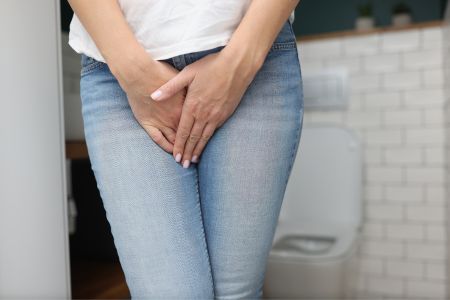
Frequent urination is a symptom shared by many conditions. The following are some of the more common explanations in women.
1. Overactive Bladder
Overactive bladder (OAB) is one common cause of frequent bathroom trips, but frequency alone does not mean you have OAB.
The defining symptom of OAB is urgency: a sudden, compelling need to urinate that is difficult to postpone. Increased daytime frequency and waking at night often occur along with it.
Some women with OAB always reach the bathroom, while others sometimes leak before getting there. When urgency results in leakage, that is called urgency urinary incontinence.
If your experience is “I suddenly have to go right now,” rather than simply “I make a lot of urine,” see our guide to overactive bladder symptoms.
2. Urinary Tract Infection
A urinary tract infection can make you feel like you need to urinate repeatedly even when there is very little urine in the bladder.
Other symptoms may include:
- Burning or pain during urination
- Strong or persistent urgency
- Lower abdominal discomfort
- Cloudy, bloody, or unusually strong-smelling urine
A sudden onset of urinary frequency, particularly with burning or discomfort, should not automatically be treated as OAB.
See Can a UTI Cause Incontinence? for more about how infection can temporarily affect urgency and bladder control.
3. Fluids, Caffeine, and Alcohol
Sometimes the simplest explanation is that more fluid is entering the bladder.
Drinking large quantities of water or other beverages naturally increases urine production. That does not mean anything is wrong with the bladder.
Caffeine can also increase urine production and may worsen urgency or frequency in some people.
Alcohol can have an even stronger effect because it suppresses vasopressin, a hormone that normally helps the kidneys conserve water. As a result, the kidneys produce more urine and the bladder fills faster.
If your bathroom trips seem particularly excessive after drinking, see Alcohol and Incontinence.
Our diet guidelines for incontinence also explain why there is no universal list of foods everyone with bladder symptoms must avoid.
4. Pregnancy
Frequent urination is common during pregnancy.
Hormonal changes can increase kidney blood flow and urine production early in pregnancy. As pregnancy progresses, the growing uterus can also place additional pressure on the bladder.
This is different from urinary leakage, although pregnancy and childbirth can also affect pelvic floor support and increase the risk of stress urinary incontinence.
If frequent urination during pregnancy is accompanied by burning, pain, fever, or other symptoms of infection, contact your healthcare professional rather than assuming pregnancy is the only cause.
5. Menopause and Urinary Changes
Urinary symptoms may also change during and after menopause.
Declining estrogen affects tissues of the vagina, urethra, and lower urinary tract. Genitourinary syndrome of menopause can contribute to urinary urgency, frequency, discomfort with urination, and recurrent urinary infections in some women. :contentReference[oaicite:1]{index=1}
That does not mean all frequent urination in midlife is caused by menopause. OAB, diabetes, medications, urinary infection, sleep disorders, and other conditions become common during the same years.
If urinary frequency occurs alongside vaginal dryness, irritation, painful sex, or recurrent UTIs, menopause-related urinary changes may deserve particular attention.
6. Diabetes and Increased Urine Production
Frequent urination can be an important symptom of diabetes.
When blood glucose becomes high enough, the kidneys excrete more glucose into the urine. Water follows, increasing urine volume.
Unlike OAB, where someone may frequently pass relatively small amounts of urine, uncontrolled diabetes may cause frequent larger-volume urination, often accompanied by increased thirst.
Diabetes can also affect the nerves controlling the bladder over time, so urinary symptoms are not limited to increased urine production. :contentReference[oaicite:2]{index=2}
If frequent urination is new and you are also unusually thirsty, fatigued, or experiencing unexplained weight changes, discuss the symptoms with a healthcare professional.
7. Medications
Some medications intentionally increase urine production.
Diuretics, sometimes called water pills, are commonly used to treat high blood pressure, heart failure, swelling, and other conditions. They help the kidneys remove excess sodium and water, which naturally means more urine.
Other medications may also alter bladder function or fluid balance.
If urinary frequency began after starting or changing a medication, talk with the prescribing healthcare professional. Do not stop a prescribed medicine simply to reduce bathroom trips.
8. Incomplete Bladder Emptying
Going frequently does not always mean the bladder is overactive. Sometimes the bladder never fully emptied in the first place.
If urine remains after you urinate, the bladder has less capacity available before you feel the need to go again.
Possible clues include:
- Feeling that urine remains after you finish
- Going again shortly after leaving the bathroom
- A weak or interrupted stream
- Difficulty starting urination
- Needing to strain
- Repeatedly passing small amounts
Incomplete emptying can have several causes, including pelvic organ prolapse, tight or poorly coordinated pelvic floor muscles, neurological problems, certain medications, or an underactive bladder.
If this sounds familiar, see our guide to double voiding and incomplete bladder emptying.
This is also an important reason not to assume that every woman who urinates frequently simply needs to strengthen her pelvic floor. A pelvic floor that does not relax appropriately can contribute to difficulty emptying.
What If You Mainly Pee Frequently at Night?
If daytime urination seems fairly normal but you repeatedly wake from sleep to urinate, the more specific problem may be nocturia.
Nocturia has several possible causes, including:
- Producing too much urine at night
- Overactive bladder
- Sleep disorders
- Diabetes
- Evening fluid or alcohol intake
- Medications
- Fluid that accumulates in the legs during the day returning to circulation after you lie down
Because nighttime urination has its own causes and treatments, we cover it separately in What Is Nocturia?
When Should You See a Doctor?
Frequent urination deserves medical attention when there is no obvious explanation, it is interfering with your everyday life or sleep, or it occurs with other concerning symptoms.
Contact a healthcare professional if you experience frequent urination along with:
- Blood in the urine
- Burning or pain with urination
- Fever or chills
- Pain in the lower abdomen, back, side, or groin
- Difficulty urinating or emptying the bladder
- New loss of bladder control
- Excessive thirst or unexpectedly large urine volumes
- A sudden unexplained change in your normal urinary pattern
These symptoms can point toward an infection, diabetes, retention, kidney or urinary tract problems, or another condition requiring treatment. :contentReference[oaicite:3]{index=3}
What Can Help With Frequent Urination?
The best treatment depends on why you are urinating frequently.
That may mean:
- Adjusting excessive fluid intake if you are simply drinking much more than your body needs
- Reducing caffeine or alcohol if they clearly increase your symptoms
- Treating a UTI when infection is the cause
- Managing blood glucose when diabetes is increasing urine production
- Reviewing medications with your healthcare professional if a medication contributes
- Bladder training when OAB or habitual frequent voiding is involved
- Treating constipation when bowel pressure contributes to bladder symptoms
- Addressing incomplete emptying when urine remains after voiding
- Pelvic floor physical therapy when muscle coordination or pelvic floor dysfunction is contributing
- OAB treatment when urgency and abnormal bladder signaling are driving the frequent trips
The important point is that there is no single treatment for “frequent urination” because frequent urination is not one disease.
When Elitone Urge May Help
Elitone Urge is not a general treatment for every cause of frequent urination.
If you are urinating frequently because of diabetes, a urinary infection, pregnancy, a diuretic medication, excess fluid intake, or incomplete emptying, those causes need to be addressed directly.
Elitone Urge becomes relevant when frequent bathroom trips are part of overactive bladder and urgency urinary incontinence — particularly when you experience sudden difficult-to-control urges and sometimes leak before reaching the toilet.
It fits within the external pelvic neuromodulation category of OAB treatment. Stimulation is delivered through the skin in the perineal area, close to the pelvic nerve and muscle pathways involved in bladder control, with the goal of calming unwanted urgency and bladder activity.
That distinction matters: Elitone Urge treats abnormal bladder-control signaling associated with urgency. It does not simply make everyone who urinates frequently produce less urine.
If sudden urgency is your dominant symptom, see Urge Incontinence: Causes, Symptoms & Treatment. For a broader comparison of OAB therapies, see Understanding Your OAB Treatment Options.